“Ever since human beings have been human, they have acted upon their environment. It is the hand, with its thumb opposable to the other fingers, that characterizes human existence in the world. This hand, peculiar to the human organism, grasps things. The world is grasped by the hand as something made up of things. And it is not merely grasped: the things grasped by the hand are brought within reach in order to be transformed.”
— What Vilém Flusser fundamentally describes here is something the artist duo zweintopf reflects on in their artistic practice. Their material sensibility is drawn to what lies beyond, to the as-if, to the and-yet-also. Here, things are reshaped, meanings and functions are shifted. Whether in a spruce forest, in urban space, or in the laundry room, zweintopf lay their hands on the cultural-historical and capitalist sediments of human life. And take pleasure in doing so.
A tour through the exhibition:
Room 1
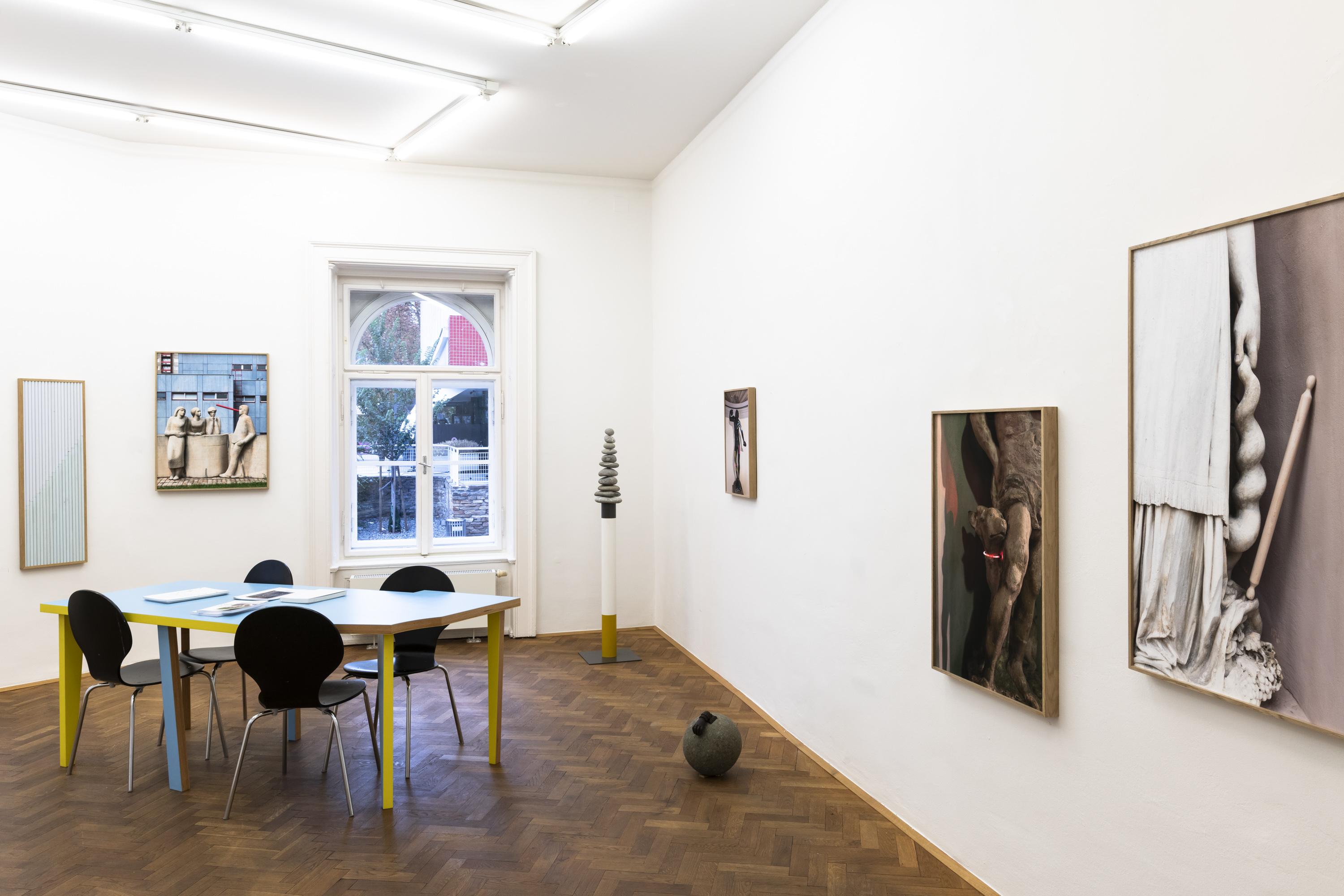
In hands on hands off zweintopf the familiar serves as the starting point for small shifts. Since 2006, Eva and Gerhard Pichler—working as zweintopf—have been using everyday objects, materials, and found situations, to which they give new meanings through minimal interventions.
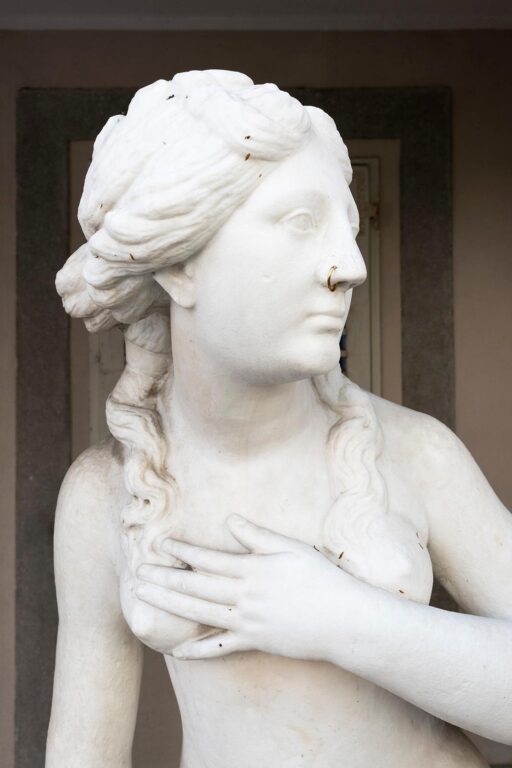
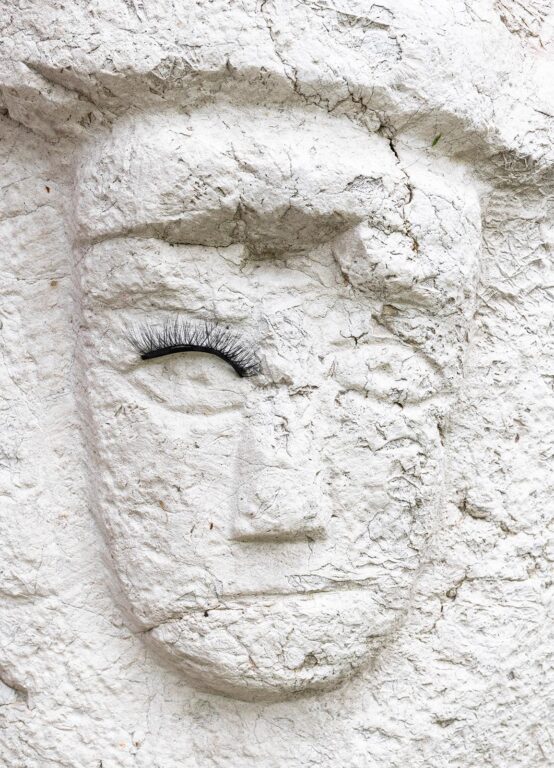
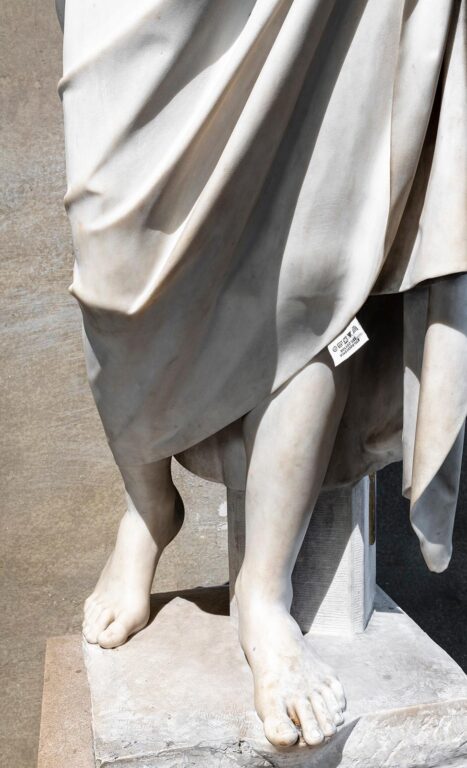
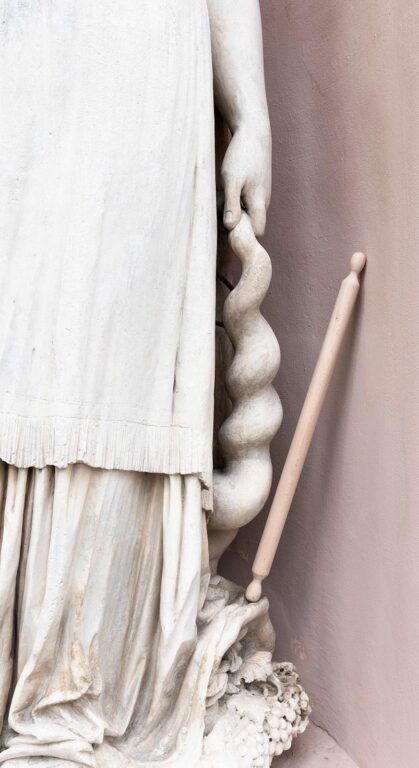
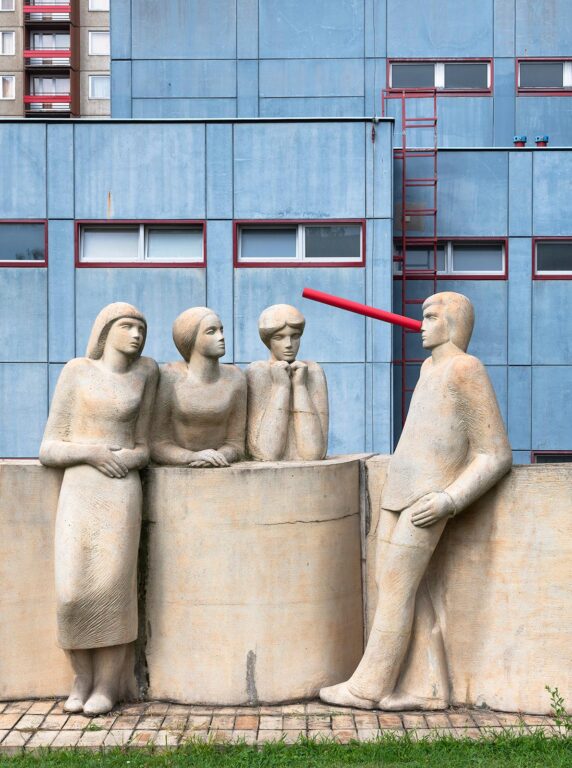
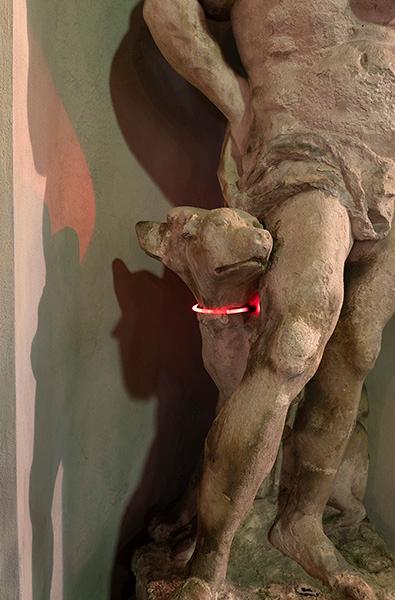
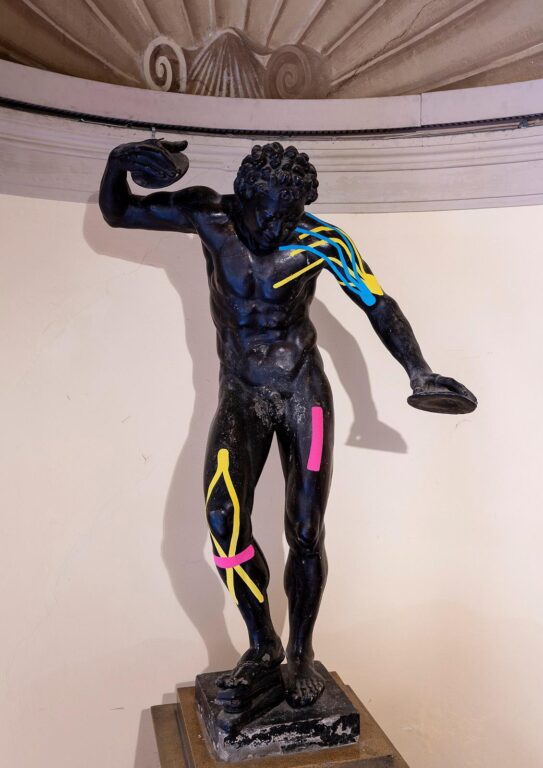
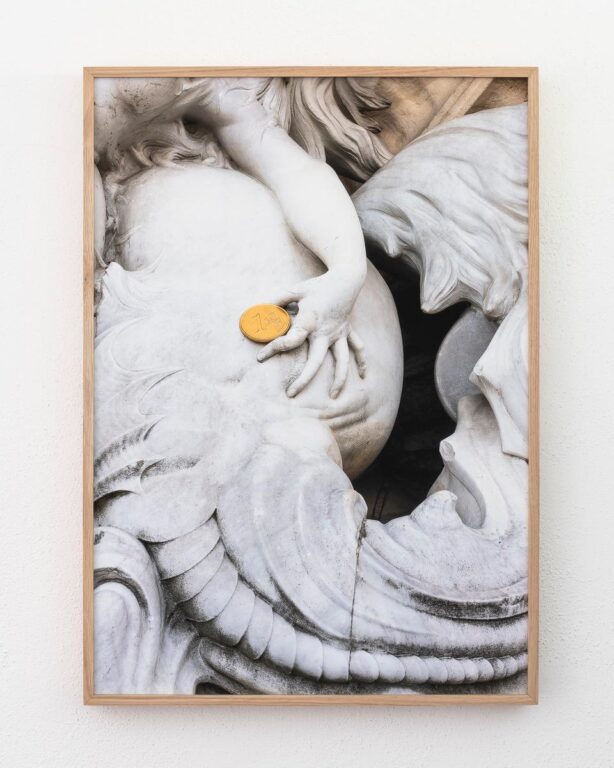
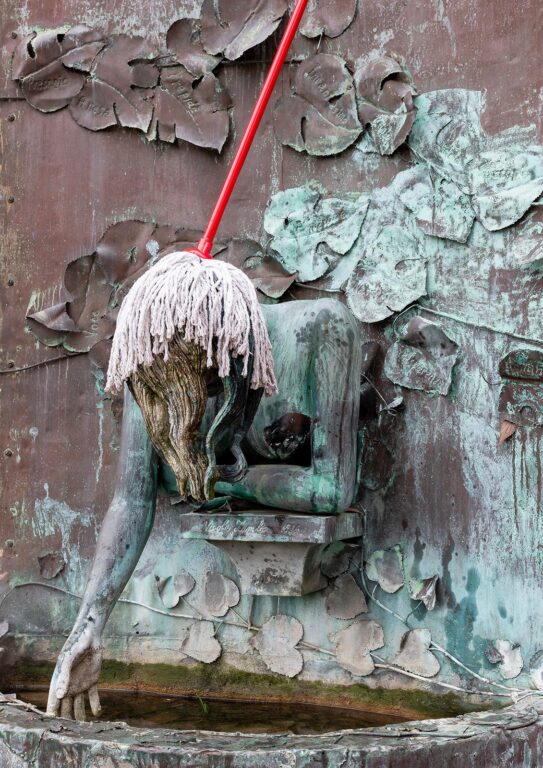
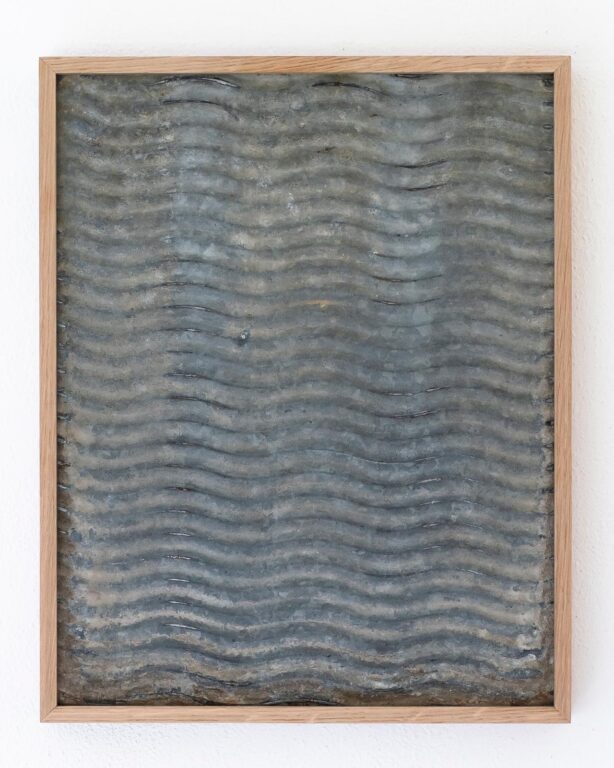
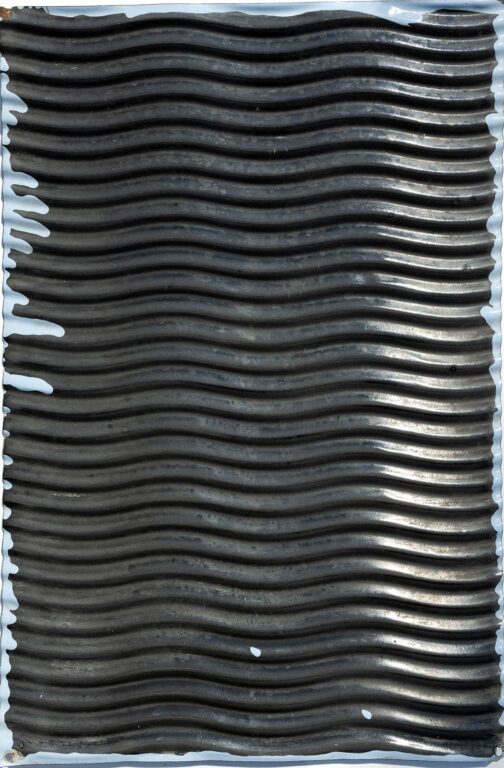
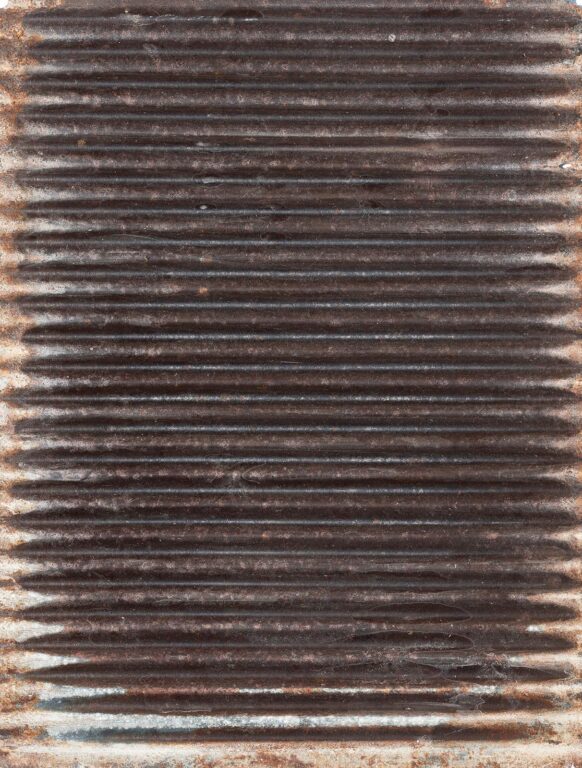
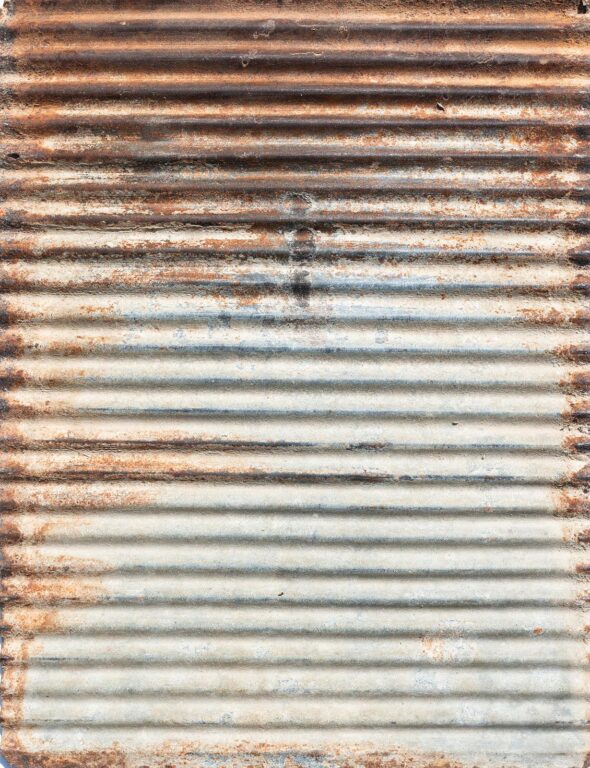
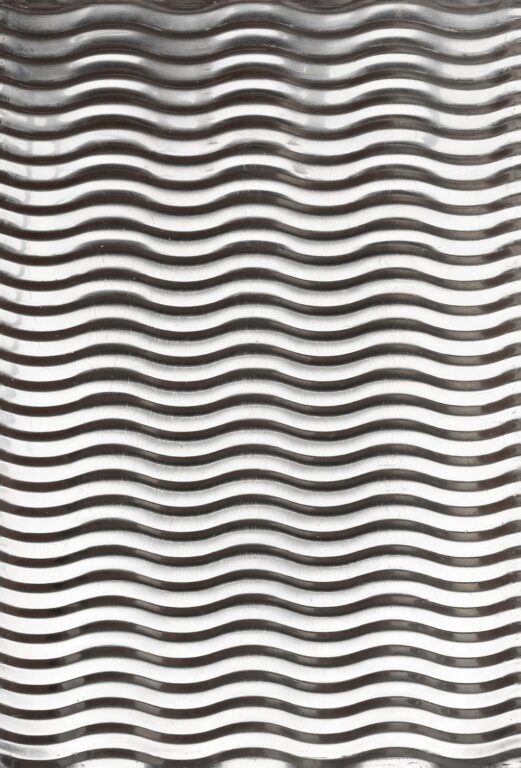
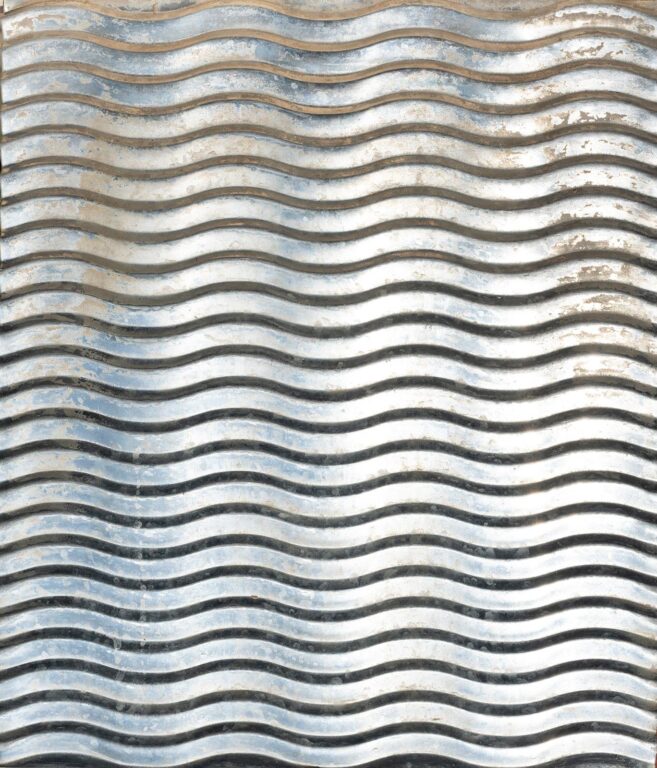
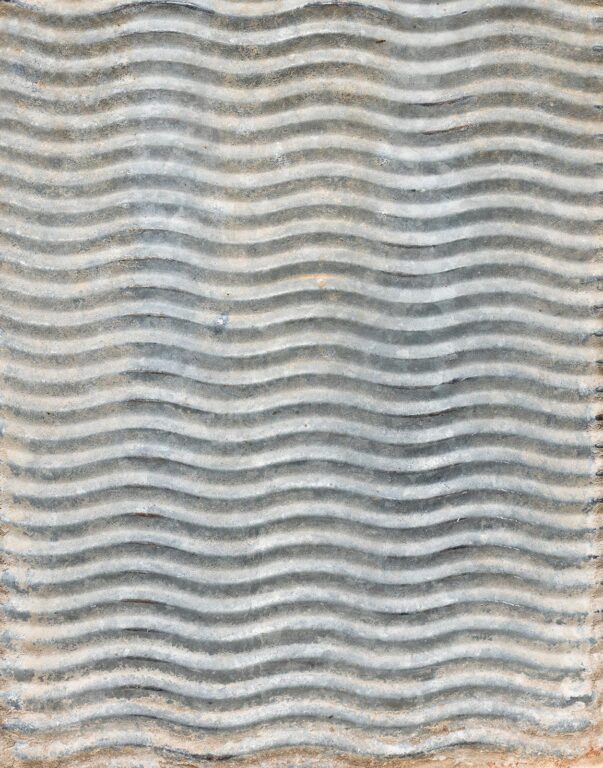
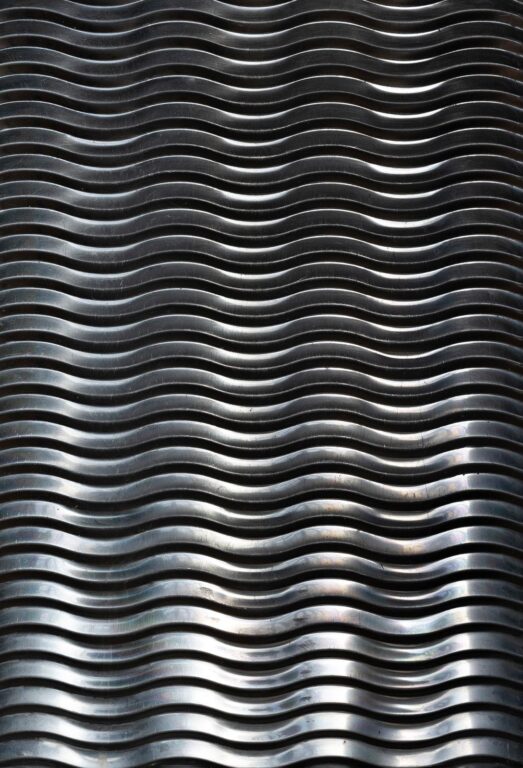
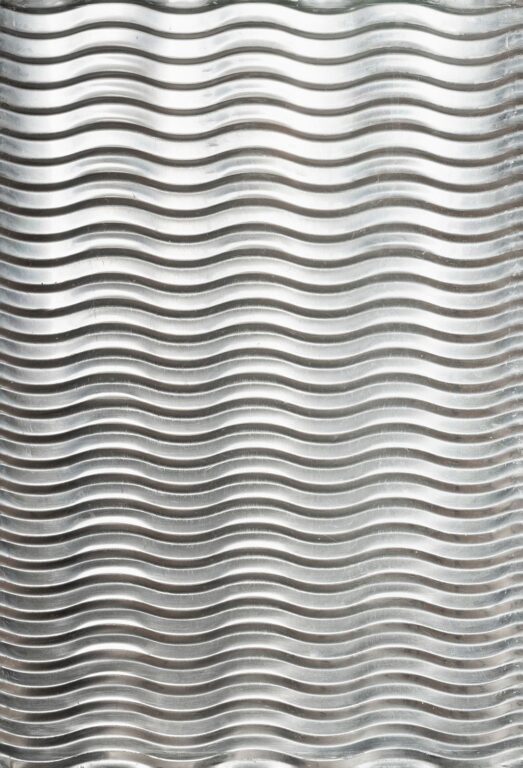
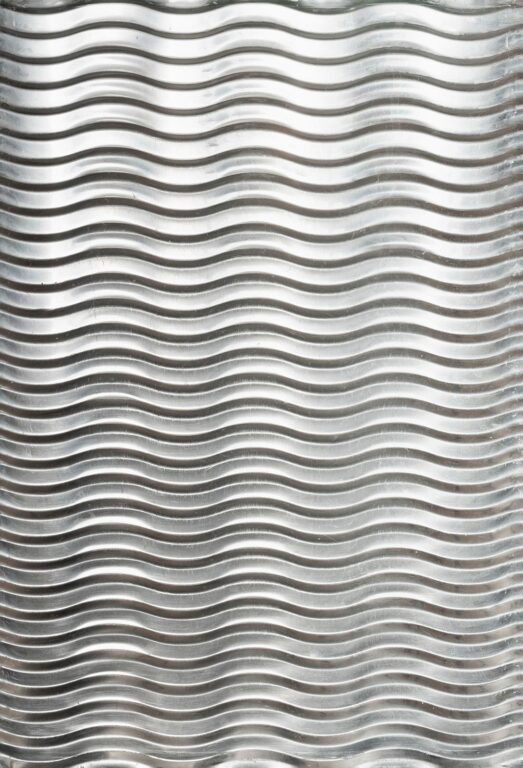
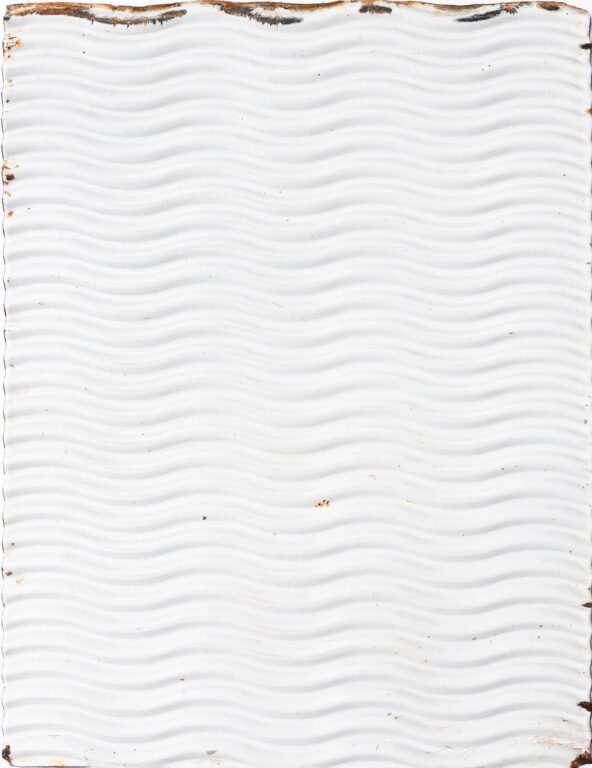
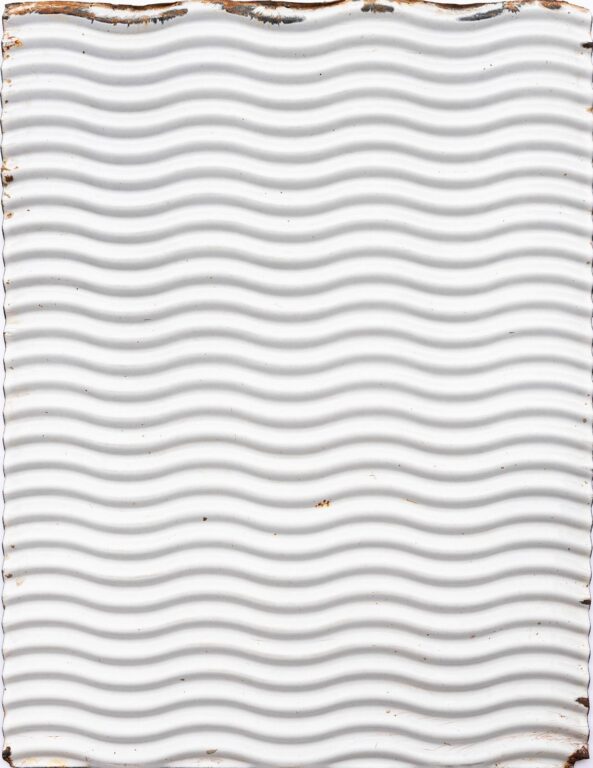
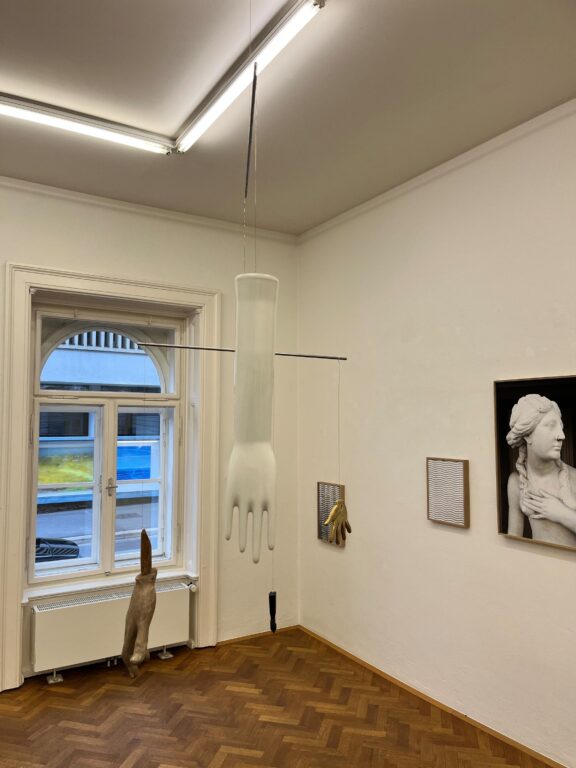
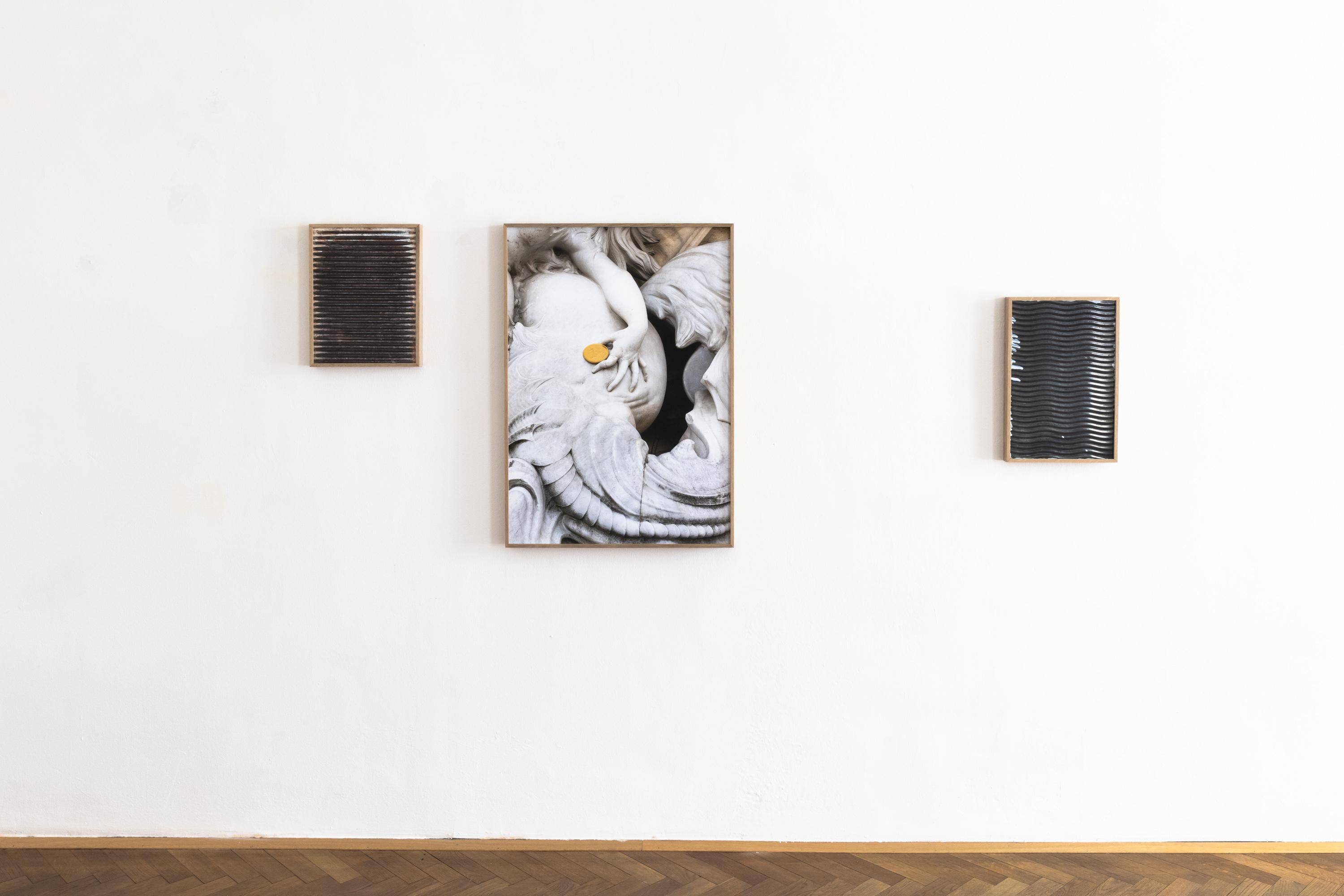
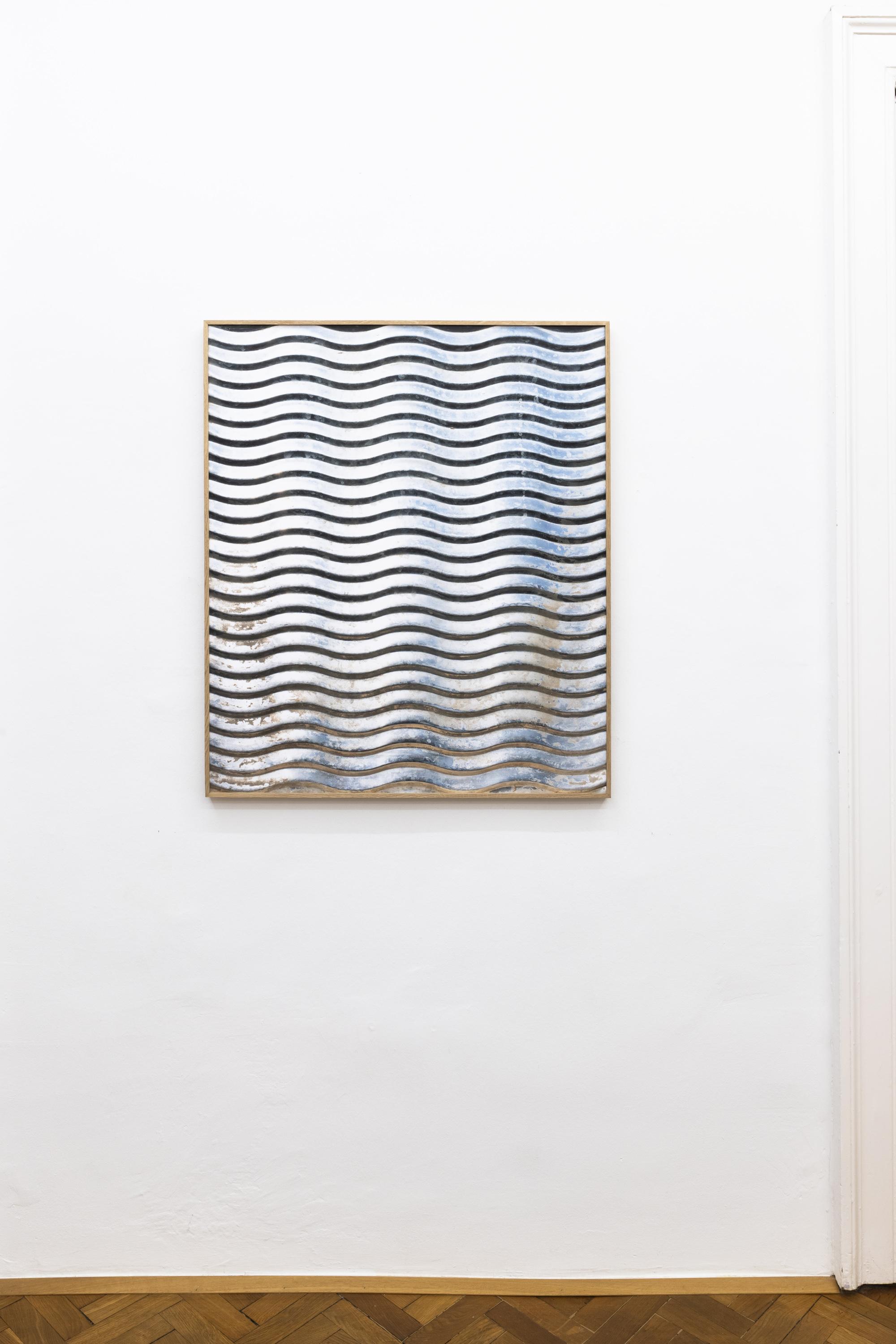
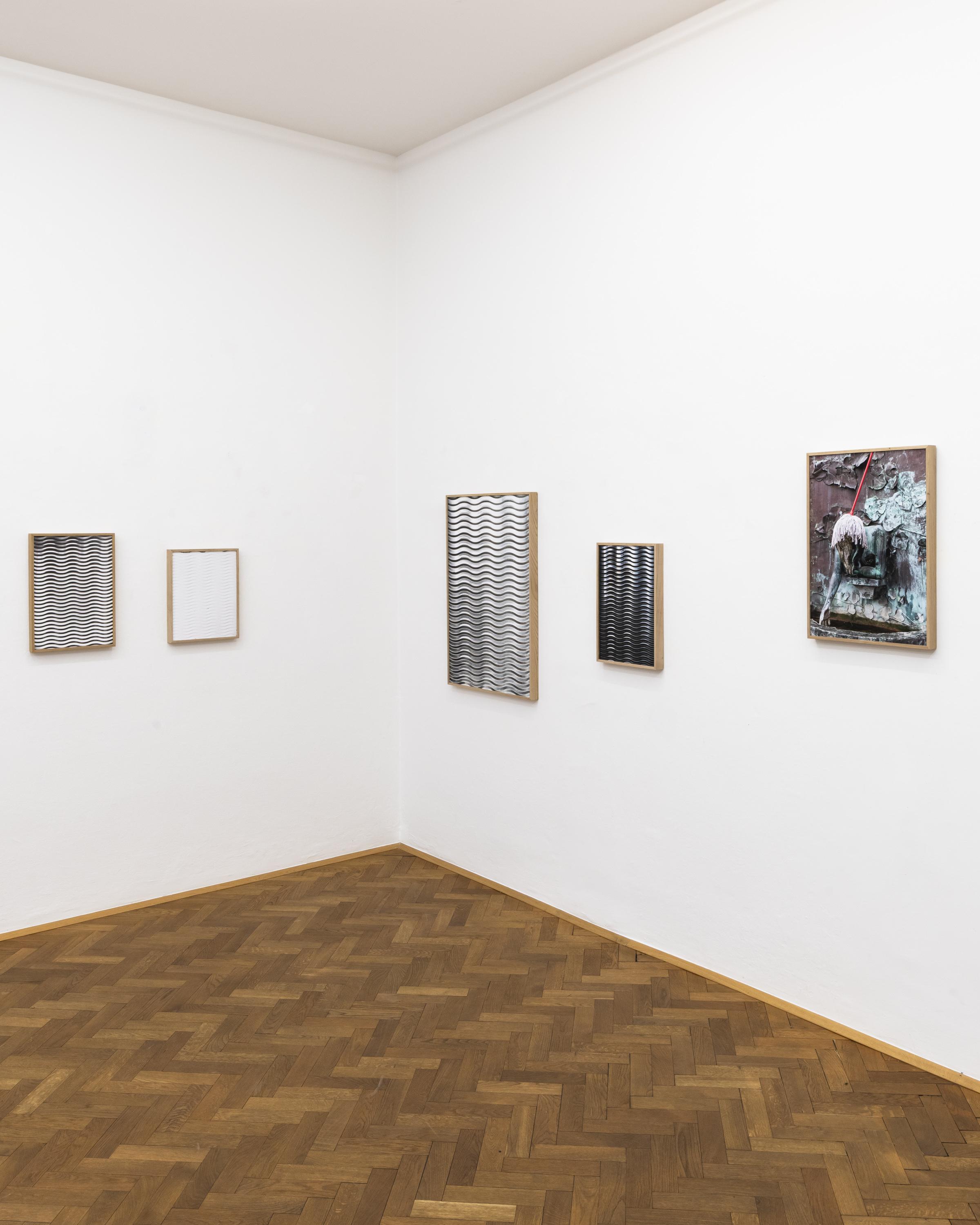
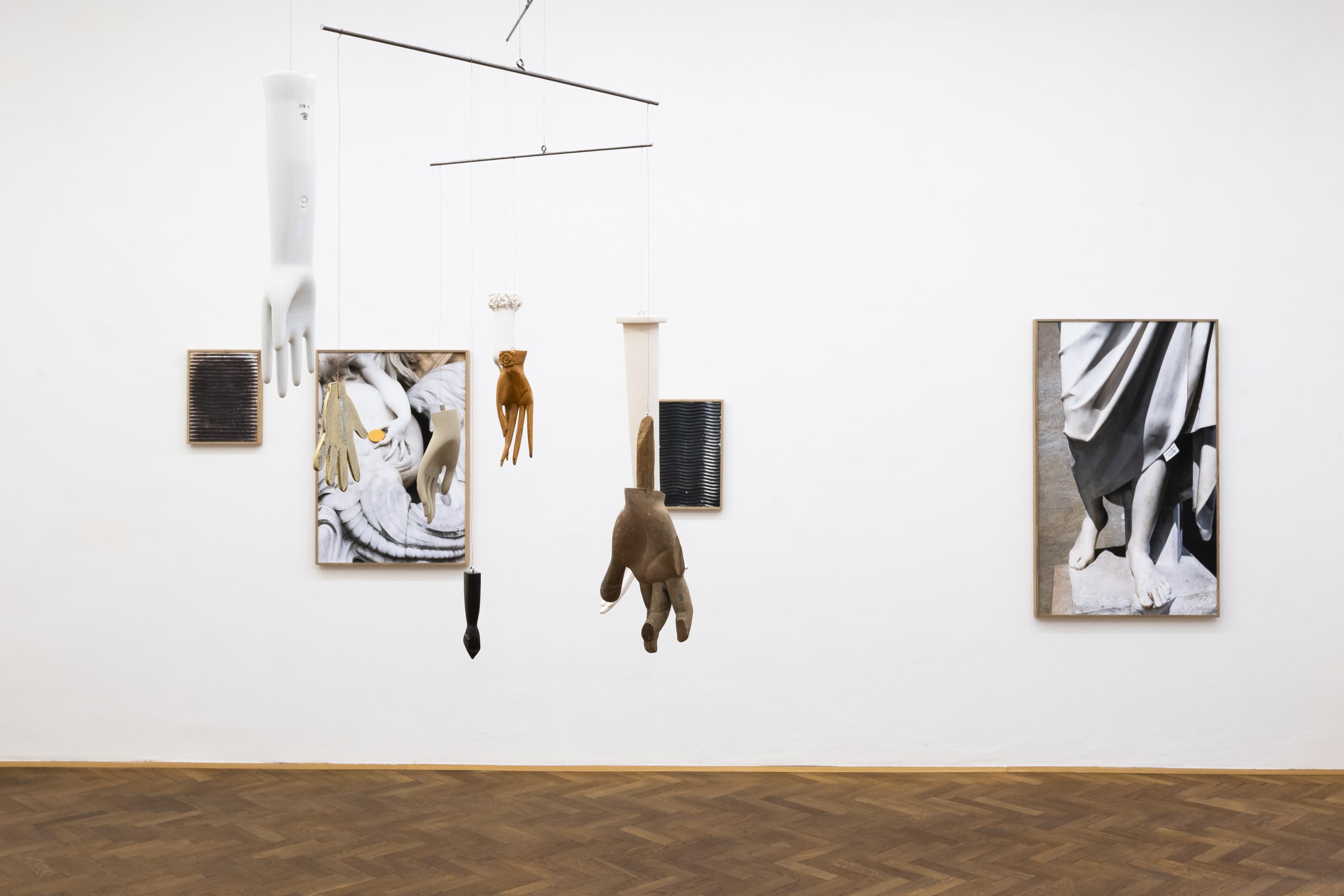
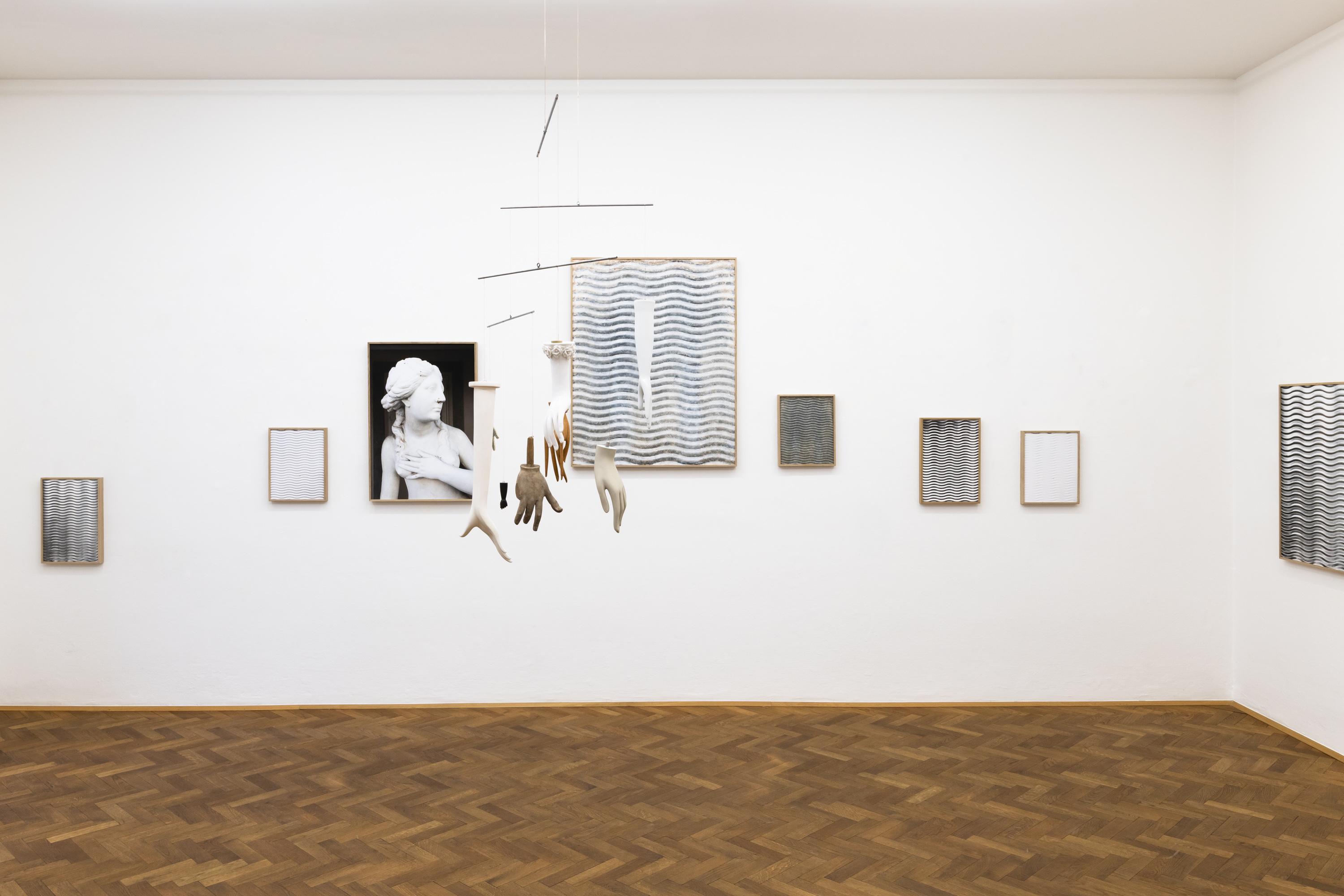
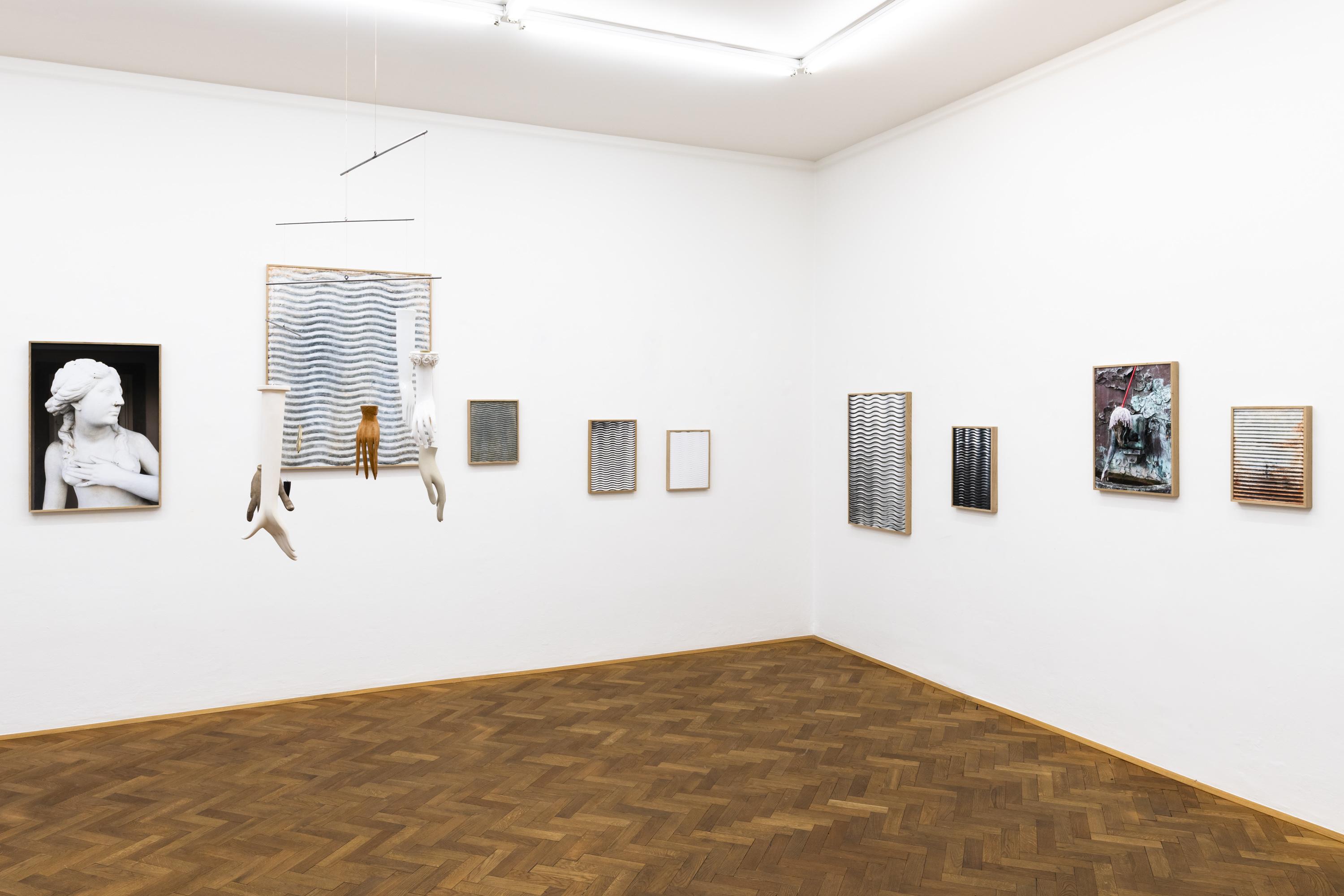
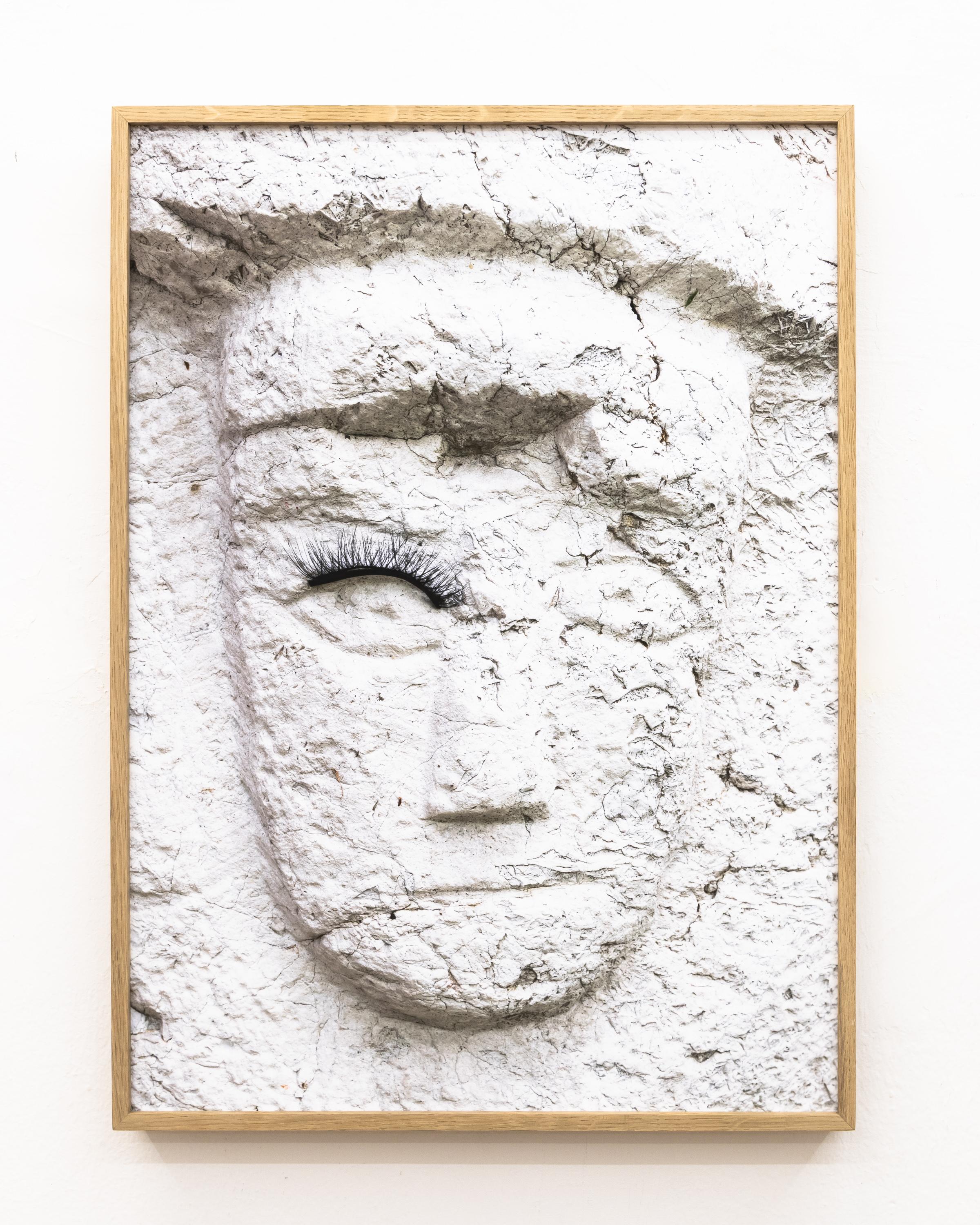
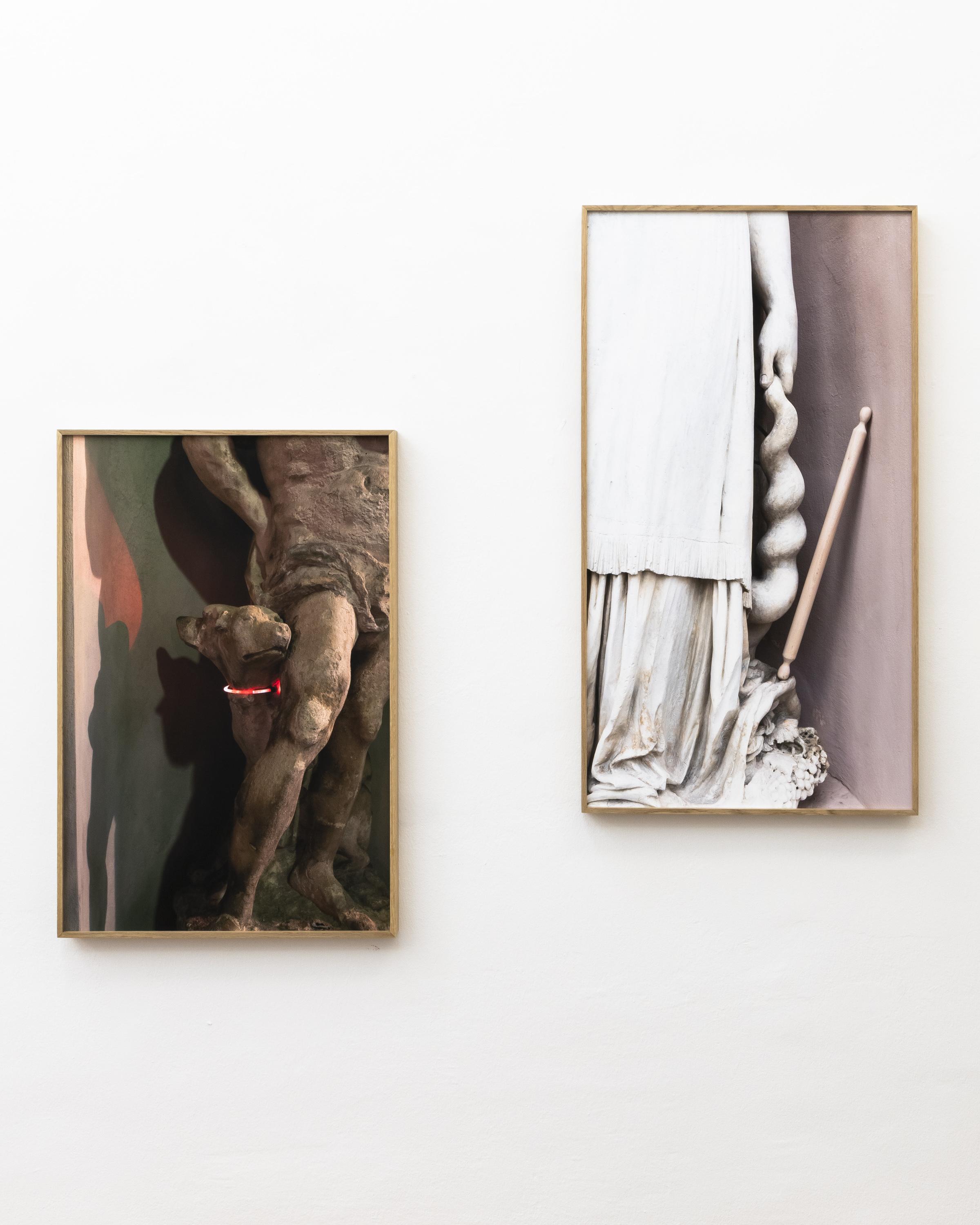
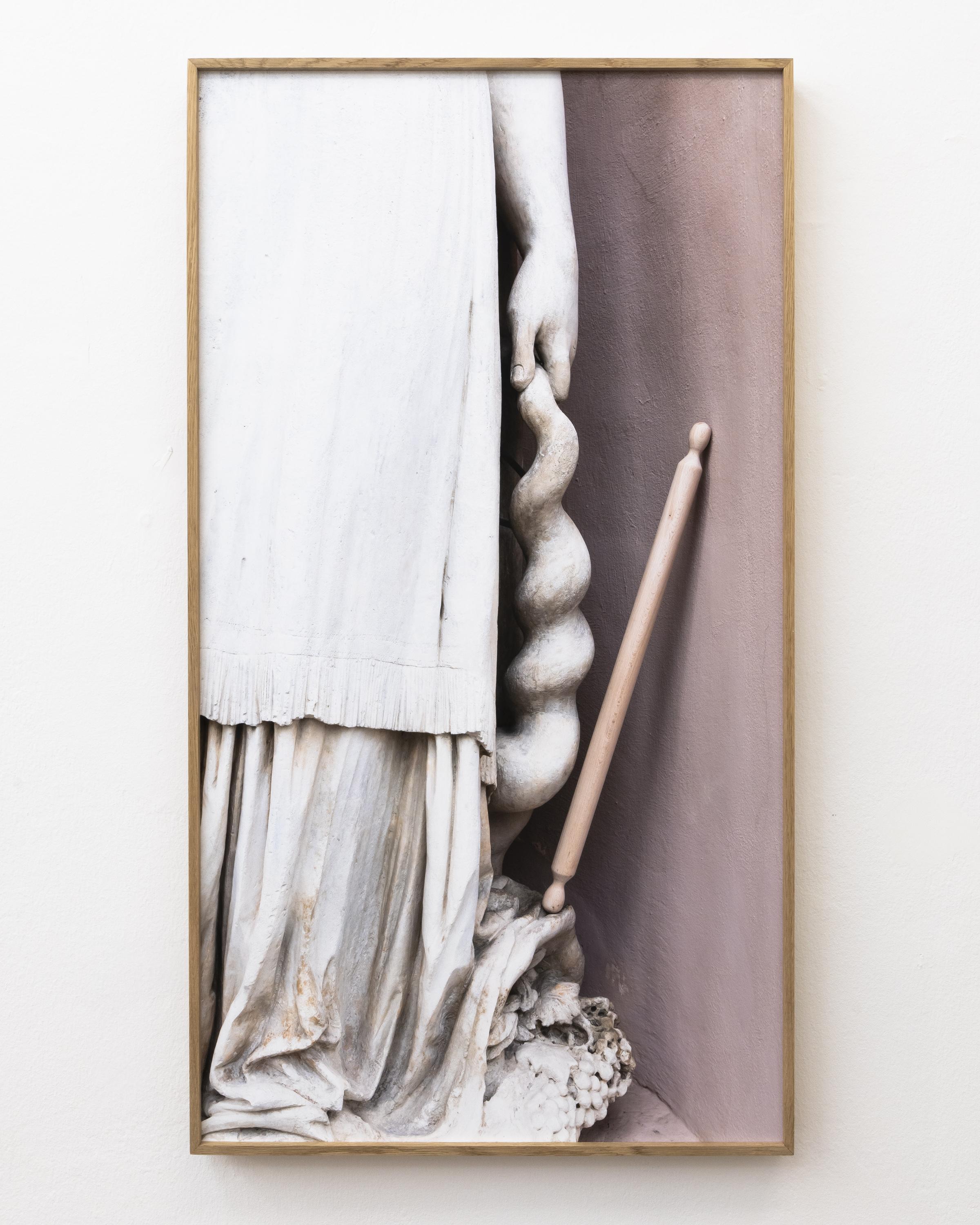
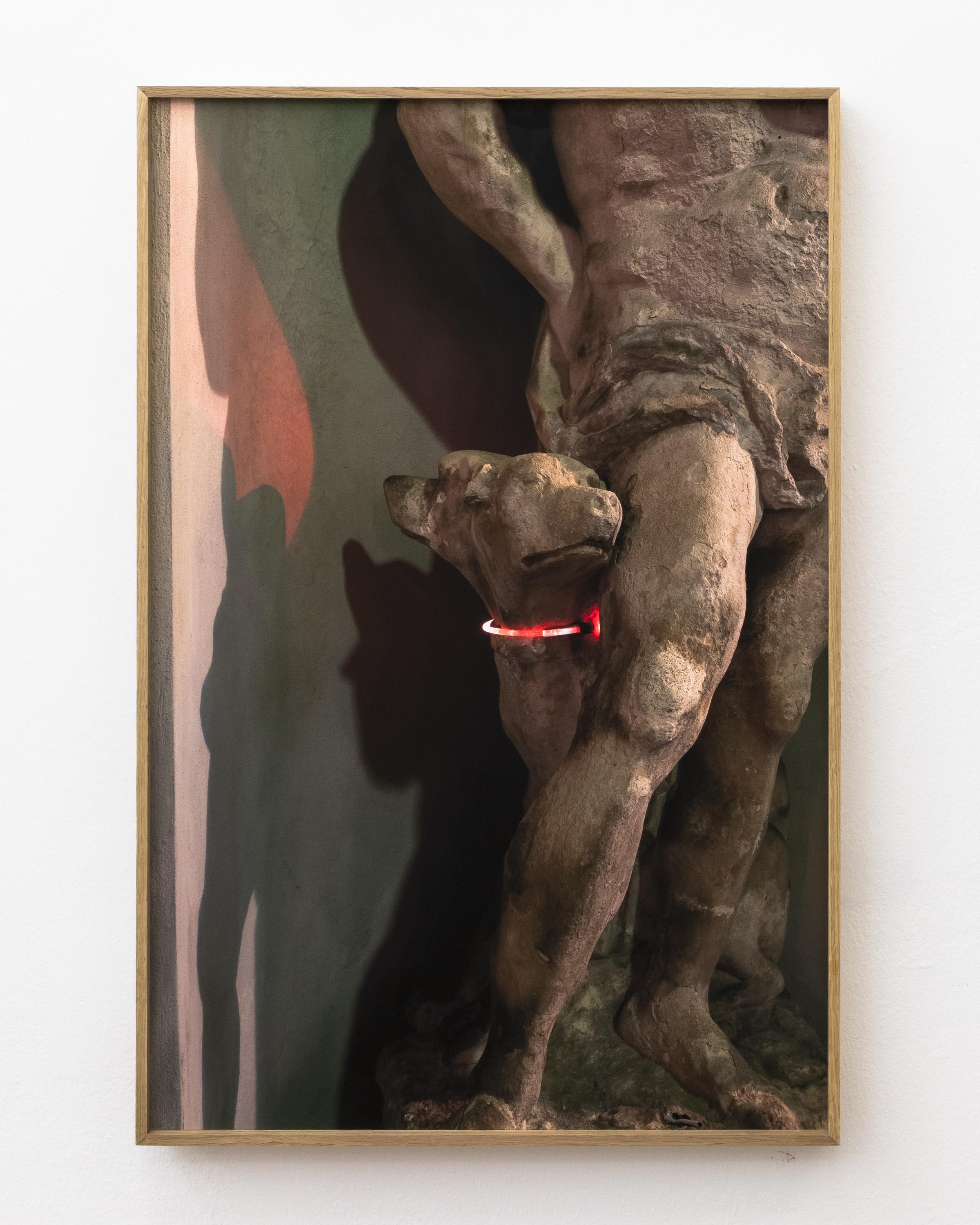
The works on display follow this principle in various ways: In hände gestern, laundry beaters are transformed—through repetition and cropping—into an almost abstract, rhythmic structure with a striking spatial effect. A second group of works features interventions on architectural sculptures. Created during various residencies, these works are part of an important body of work by zweintopf: Small, targeted additions are enough to detach the found objects from their familiar context and give rise to a new, sometimes absurd interpretation.
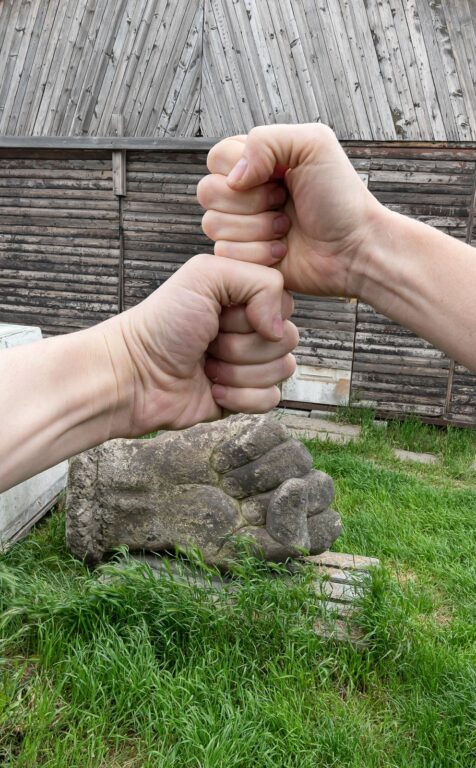
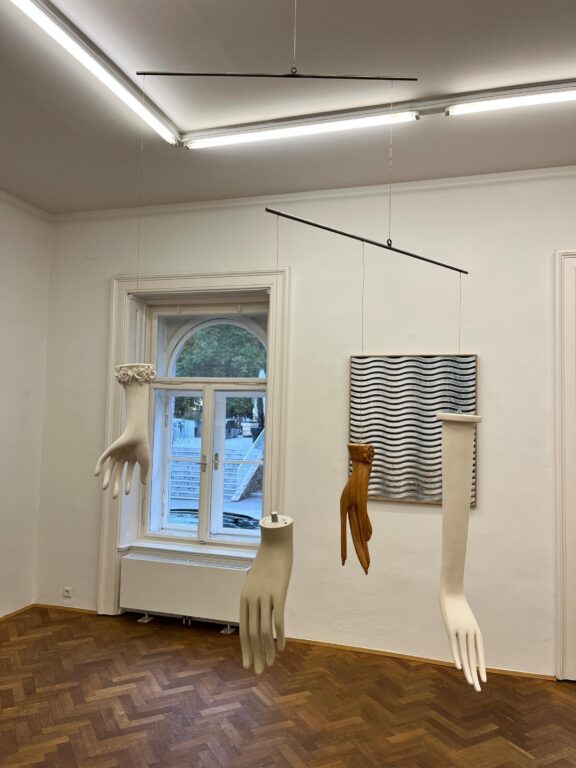
In the center of the room, the mobiles gebrauchte hände I and II float. Hands made of various materials become tools, gestures, and objects all at once—thus taking up the exhibition’s central motif: grasping, intervening, reshaping, and letting go.
Room 2
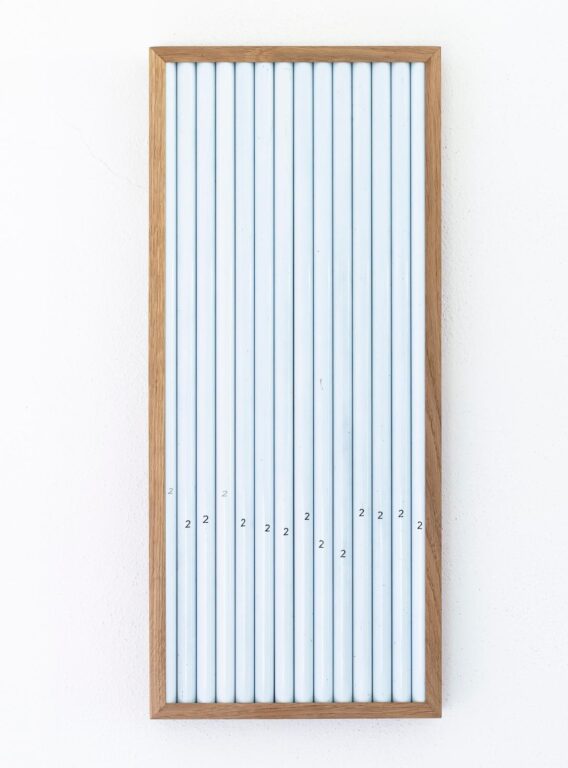
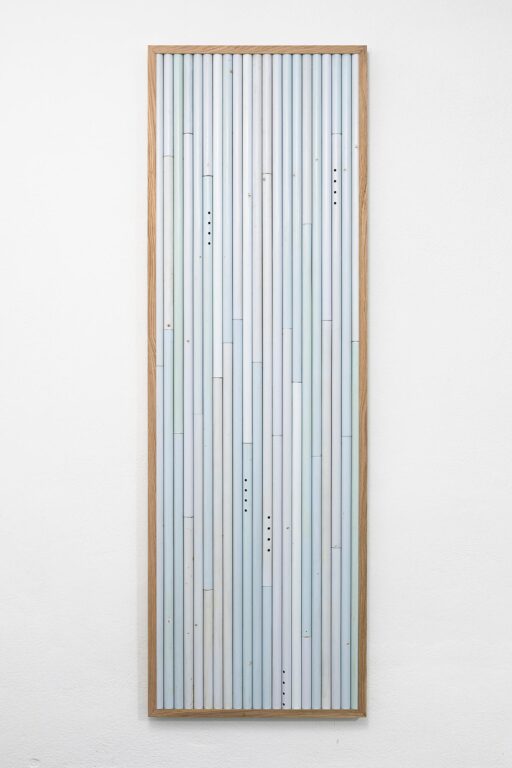
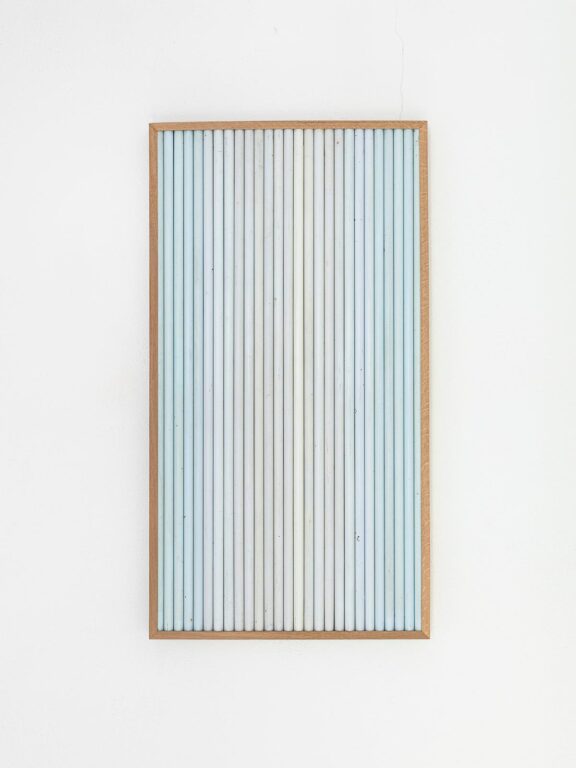
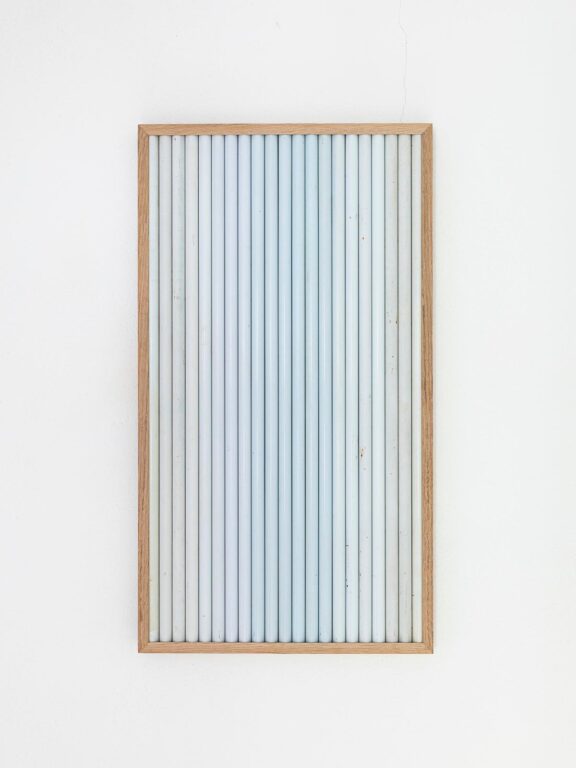
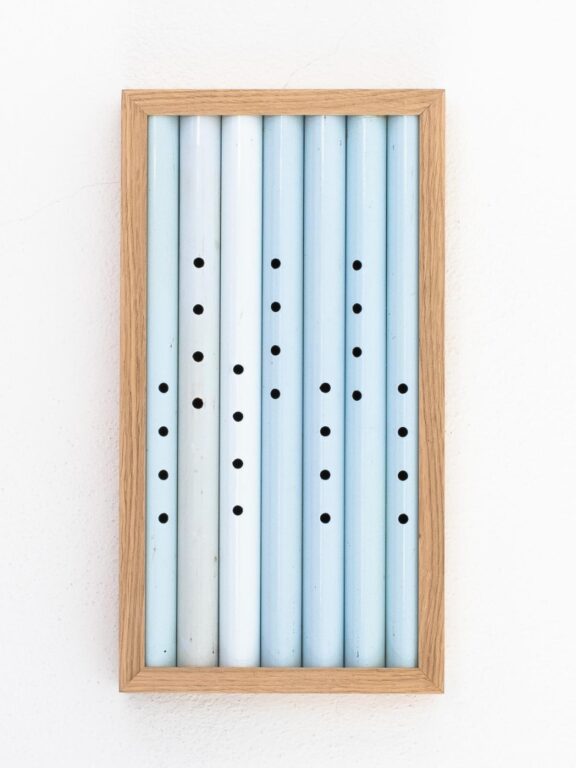
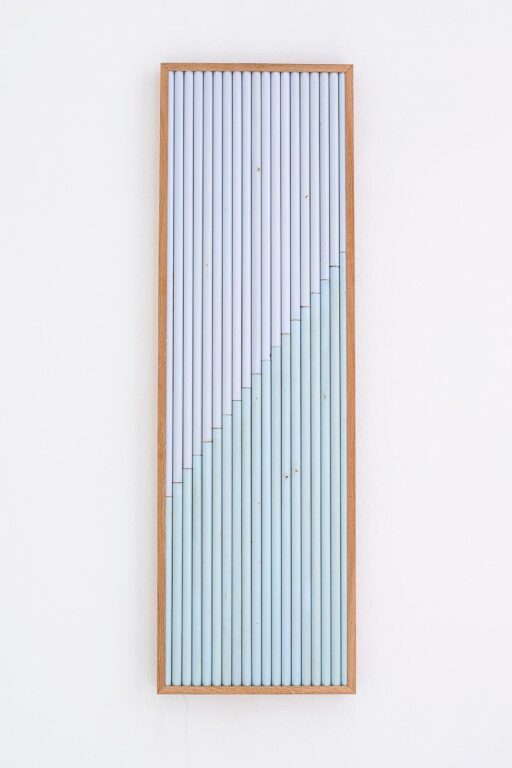
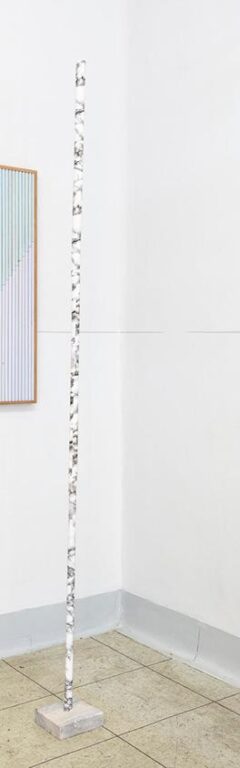
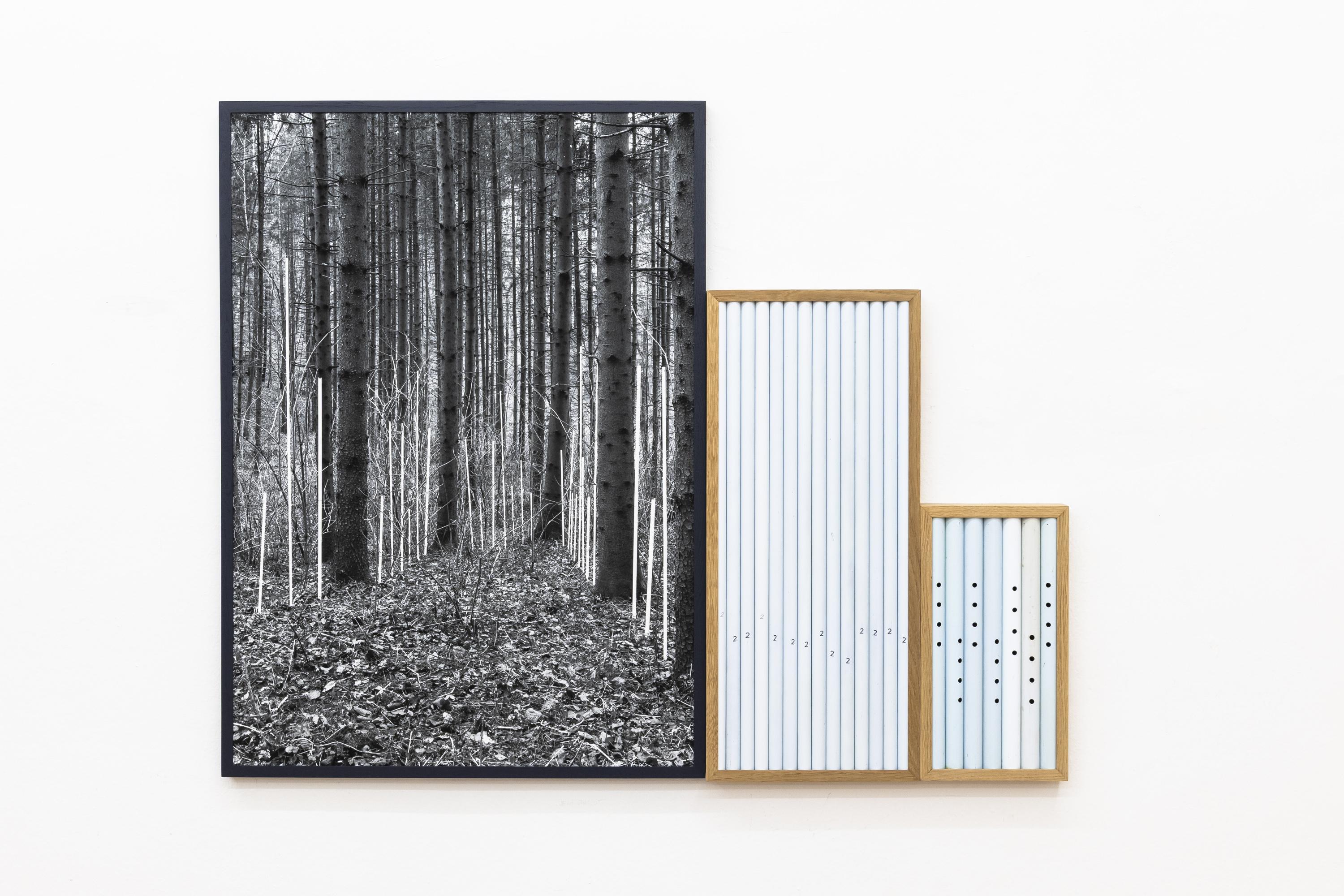
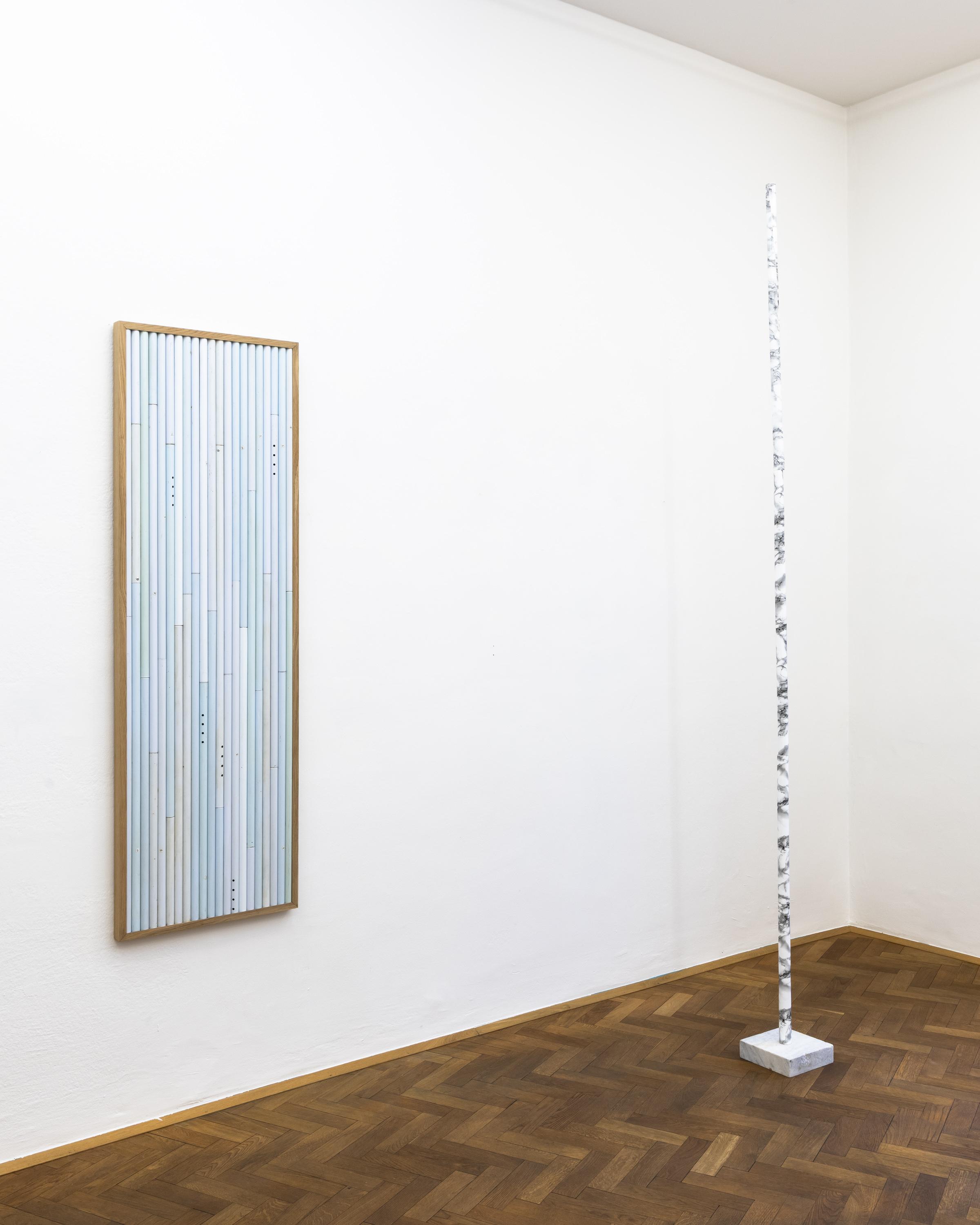
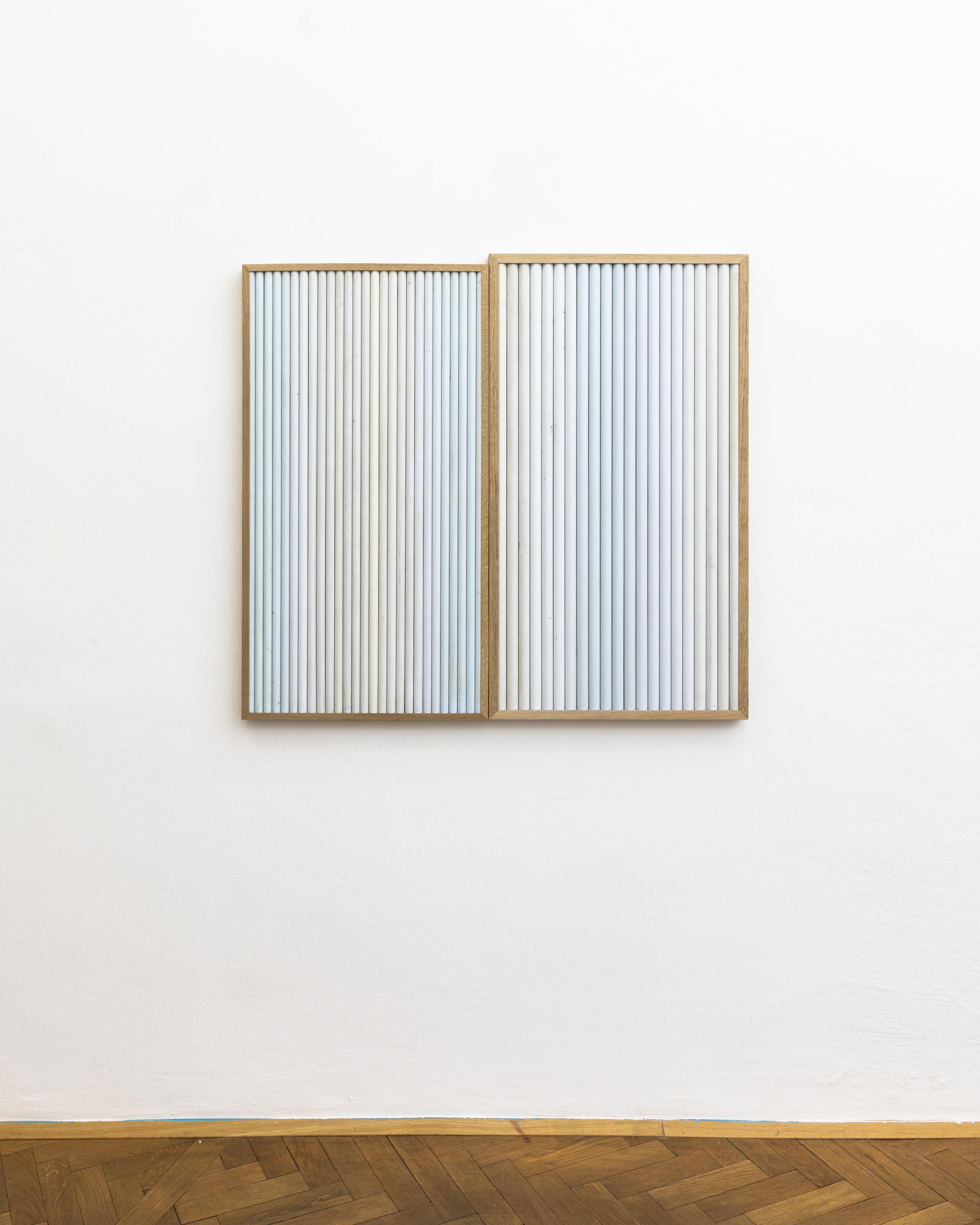
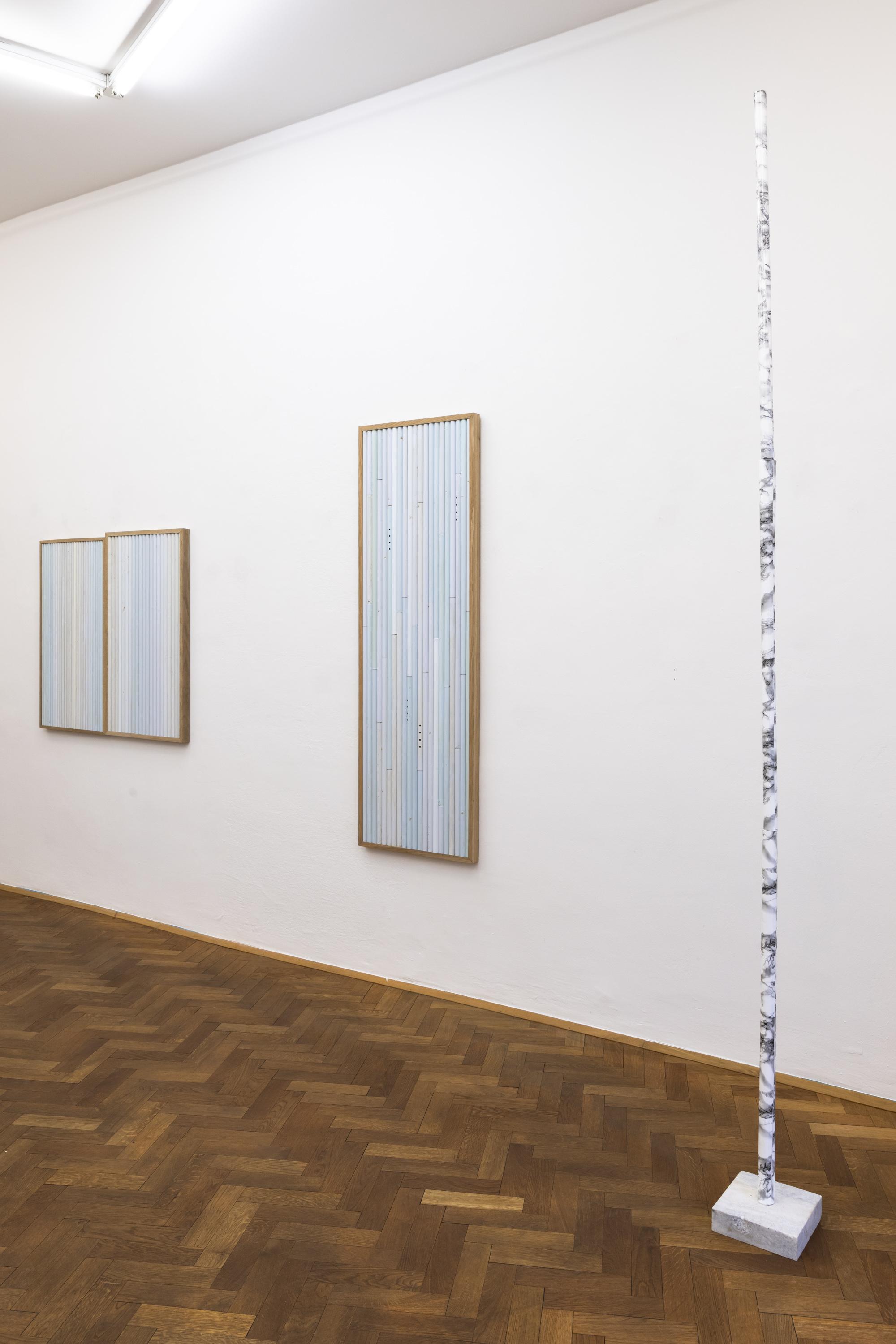
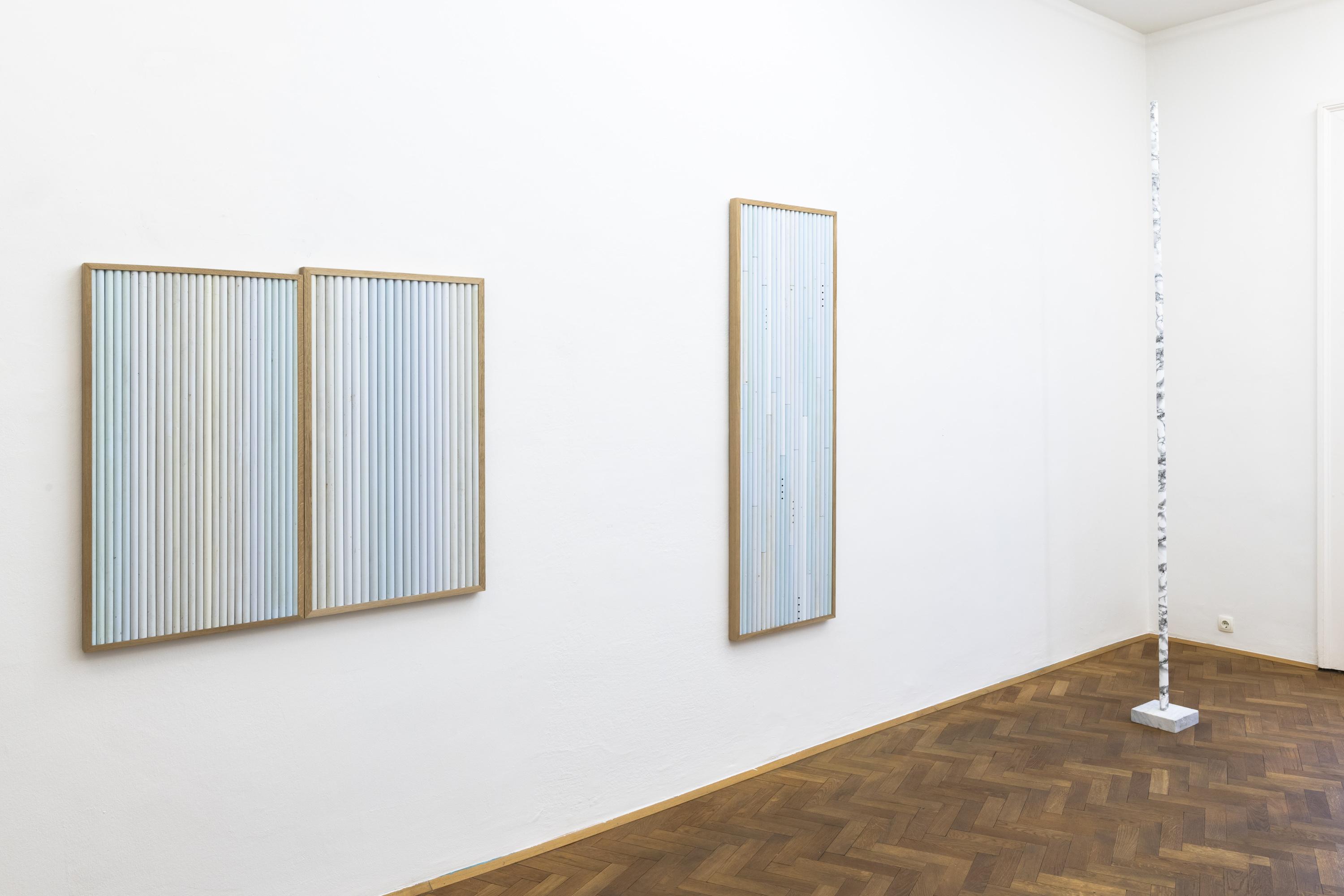
In the second room, the T.T. series takes center stage: Used party tent poles are cut up, rearranged, and framed. Elements of temporary architecture give rise to abstract linear compositions—the functional, unadorned object loses its original purpose and becomes the vehicle for a new aesthetic and conceptual meaning.
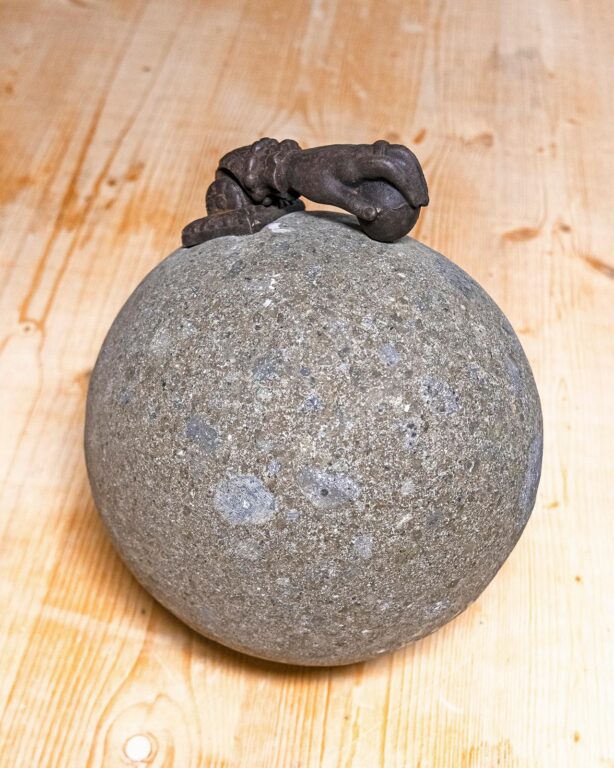
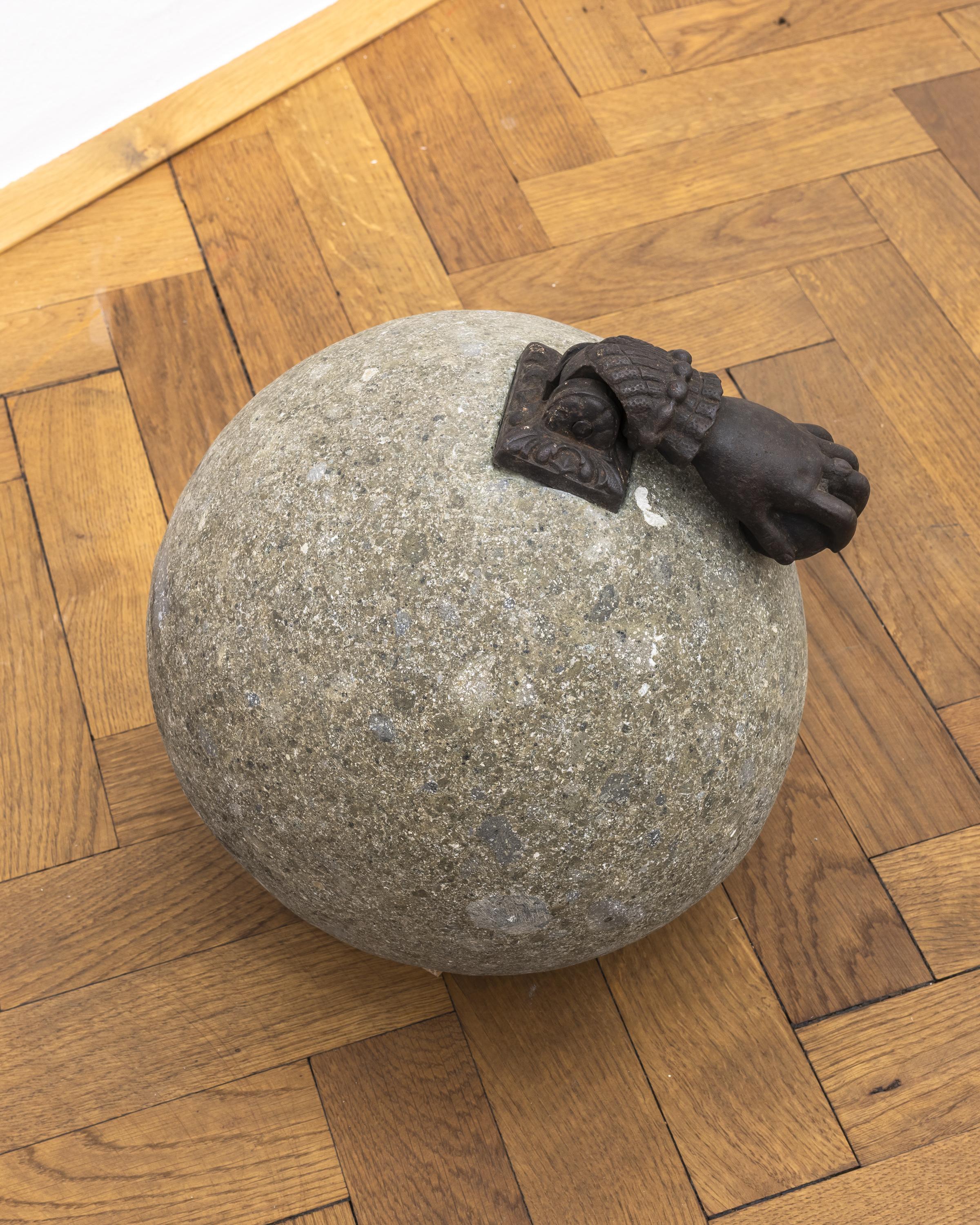
tok tok, too, thrives on a shift that is as simple as it is absurd: a cast-iron door knocker encounters a massive stone sphere—an invitation to knock on something that possesses neither a door nor an entrance. The familiar gesture of knocking comes to nothing and, precisely because of this, takes on a new meaning: as a playful subversion of function, expectation, and use. At the same time, the work almost instinctively invites touch, thereby continuing the motif of the hand as an active, examining, and intervening tool.
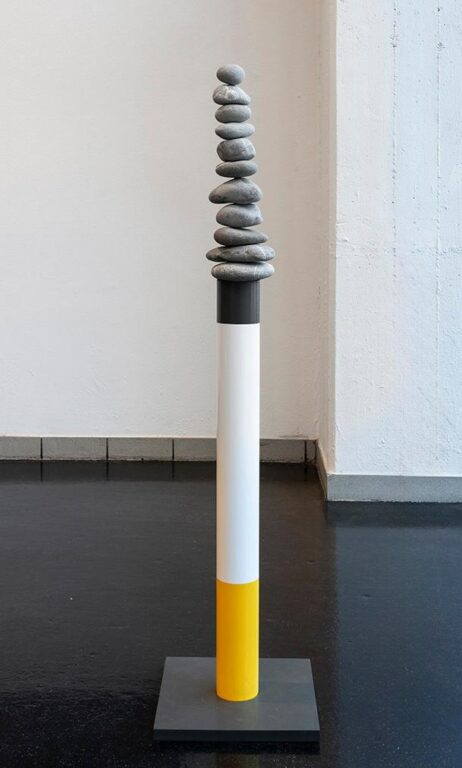
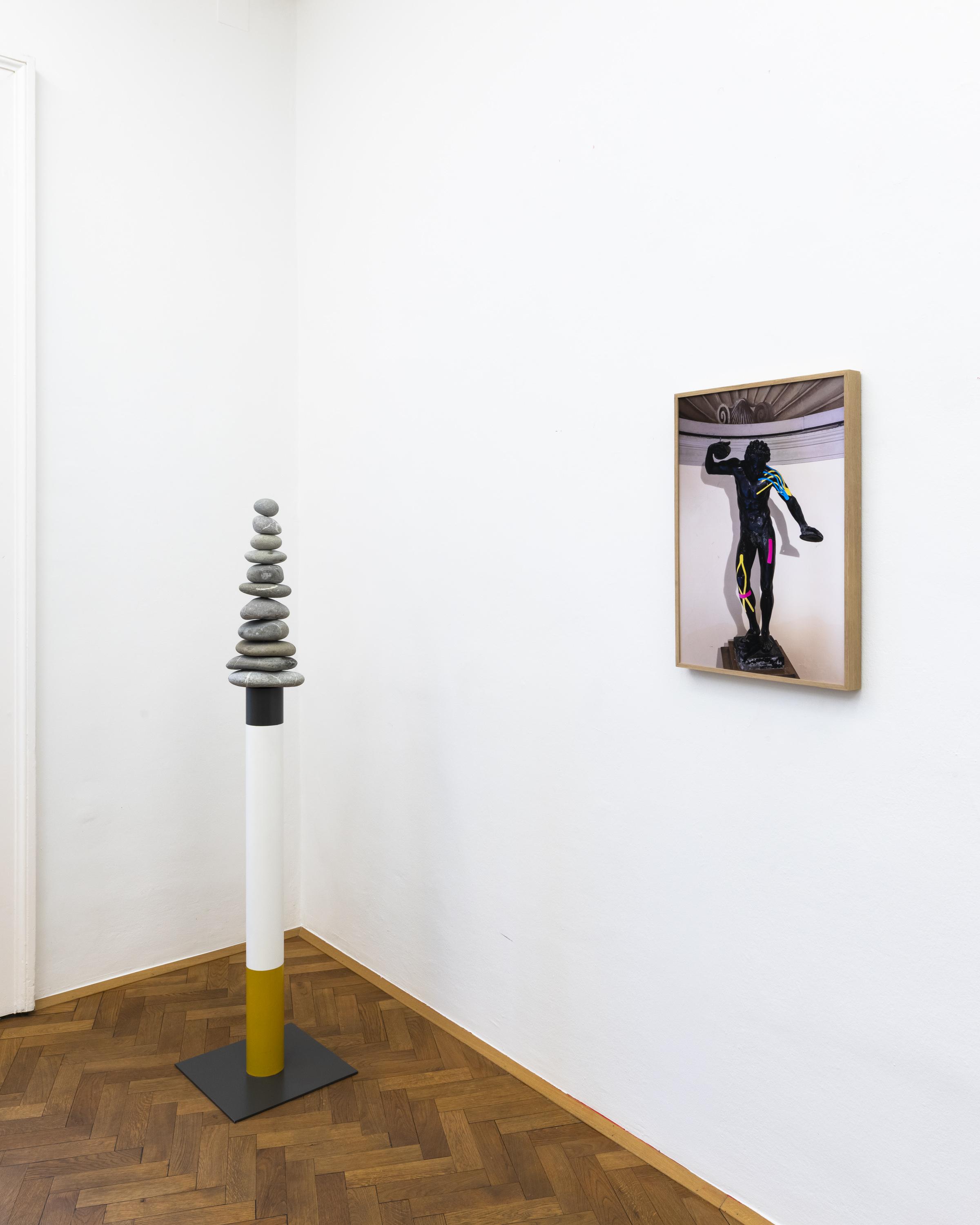
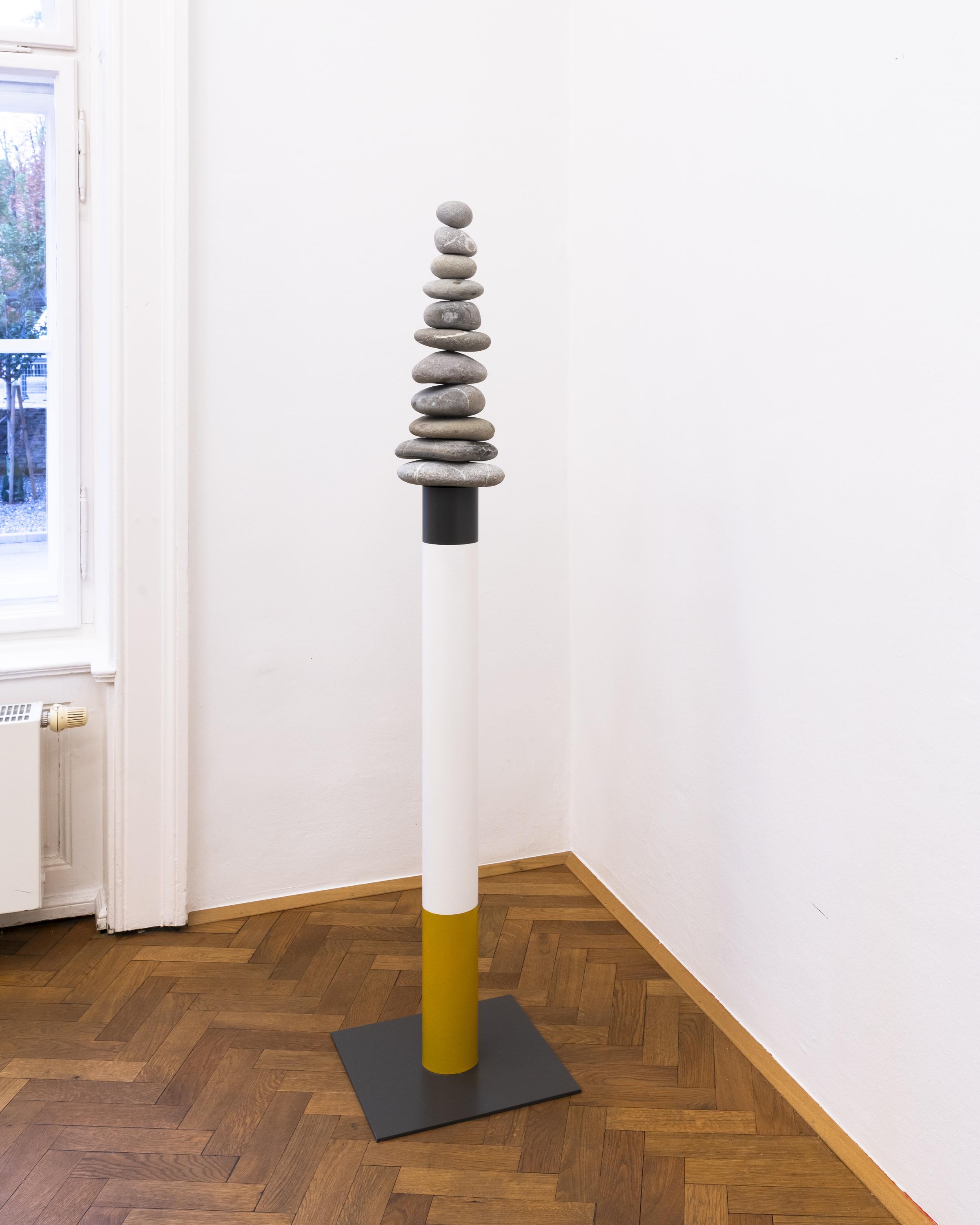
Finally, in Zen Consumerism (yellow/white/gray), a stone tower familiar from public spaces encounters the visual world of consumerism. In doing so, zweintopf brings the Western logic of always wanting more into contact with the Buddhist idea of frugality and inner contentment—with the interplay of the everyday, absurdity, and social criticism that is characteristic of their work.
Room 3
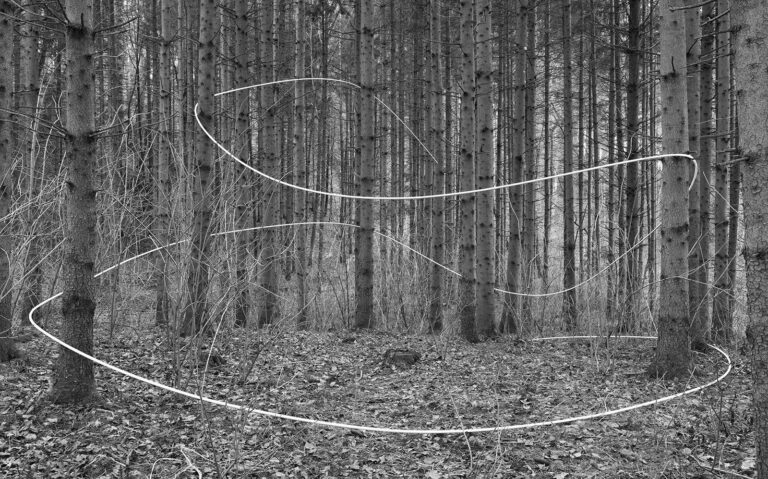
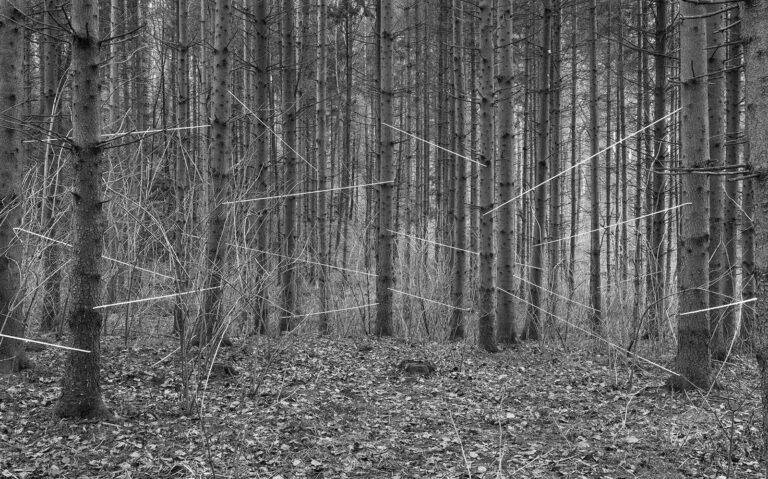
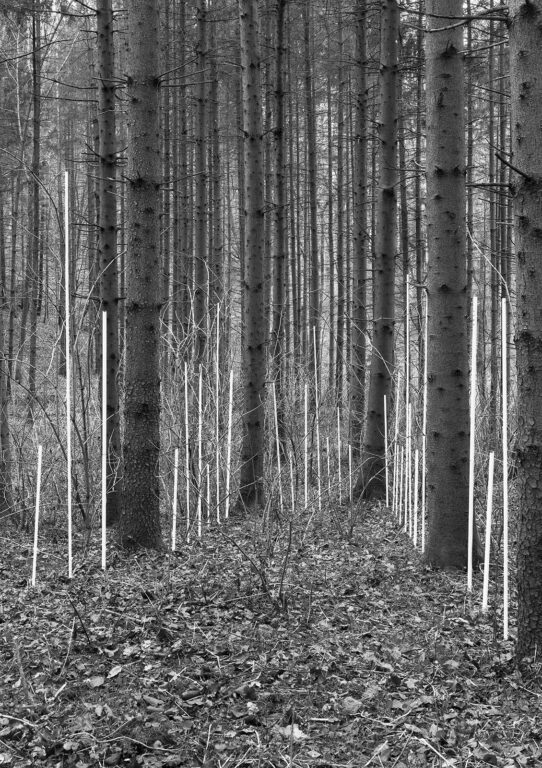
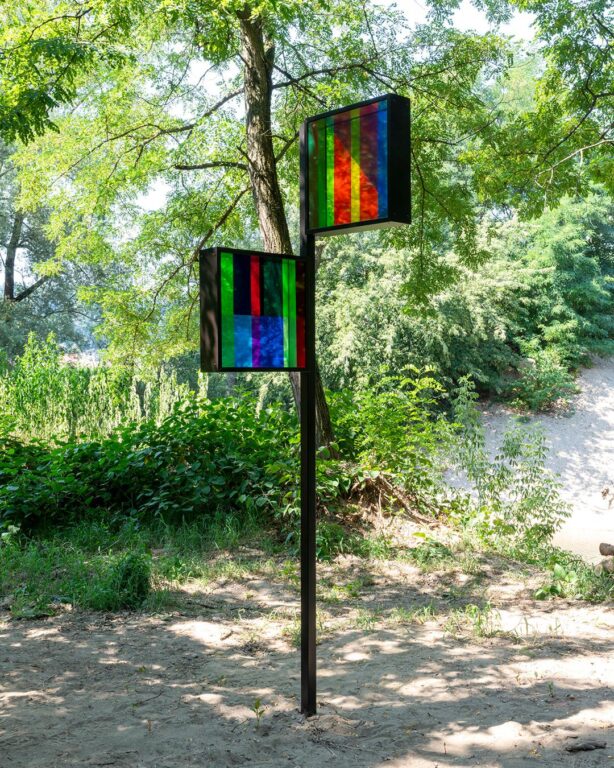
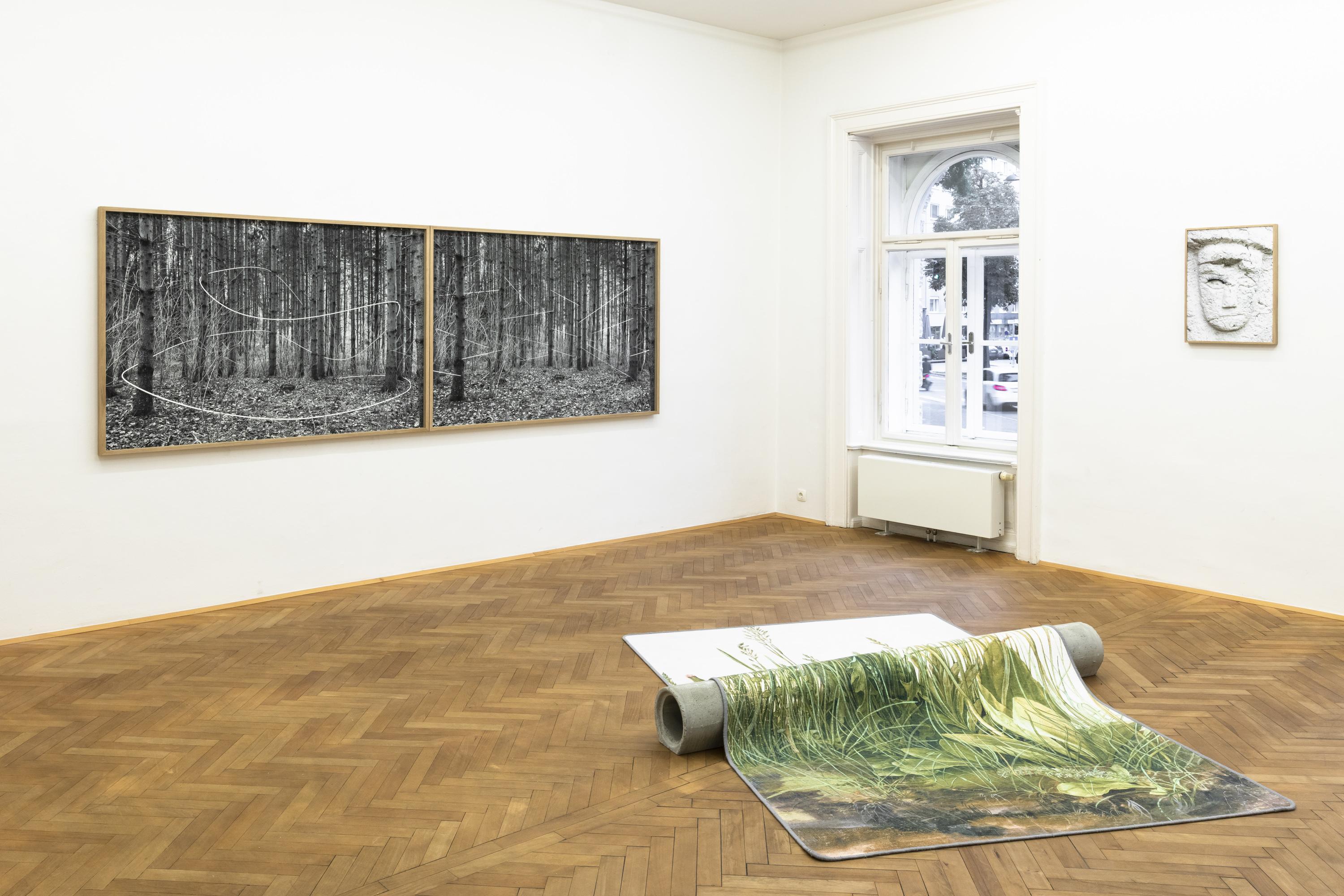
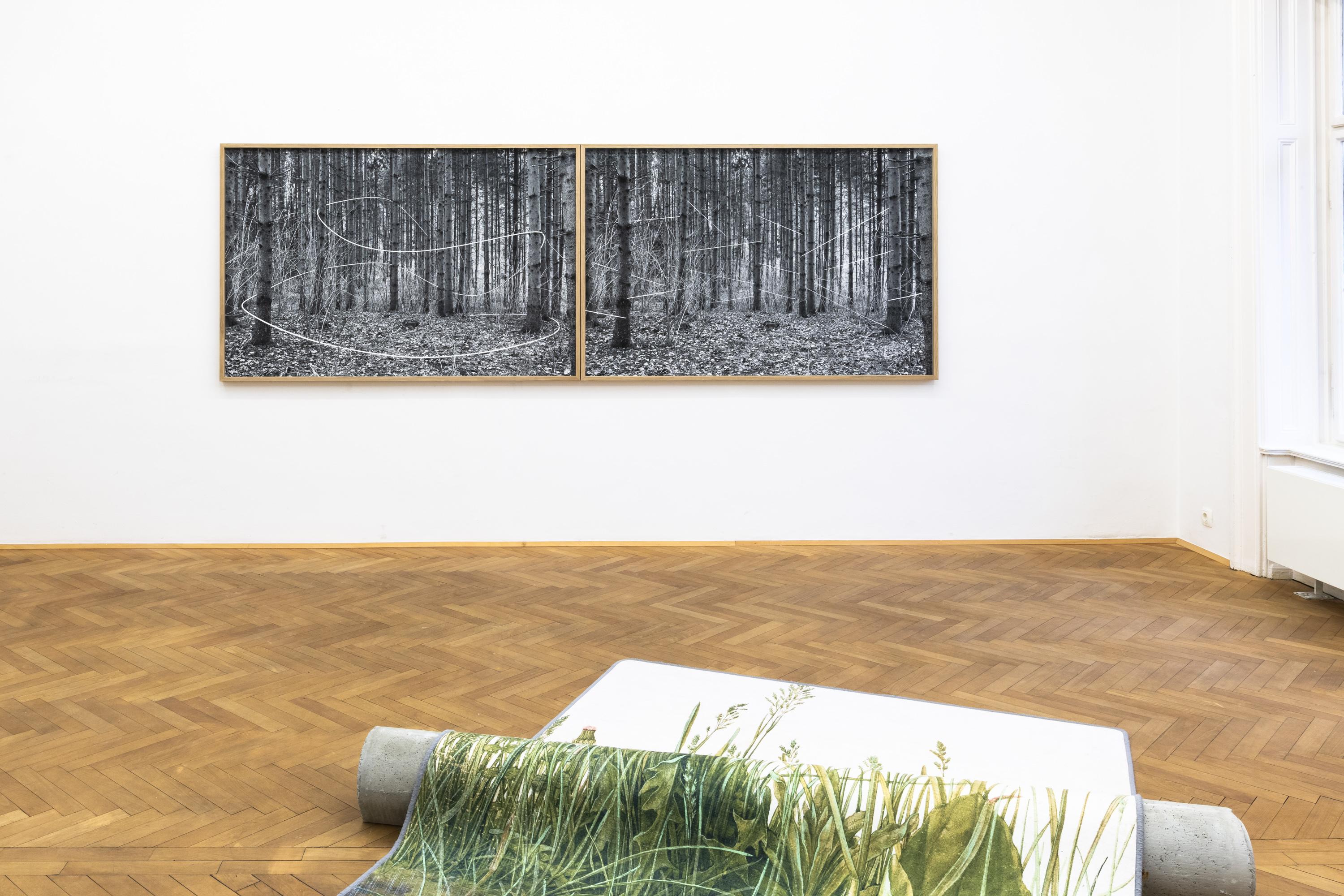
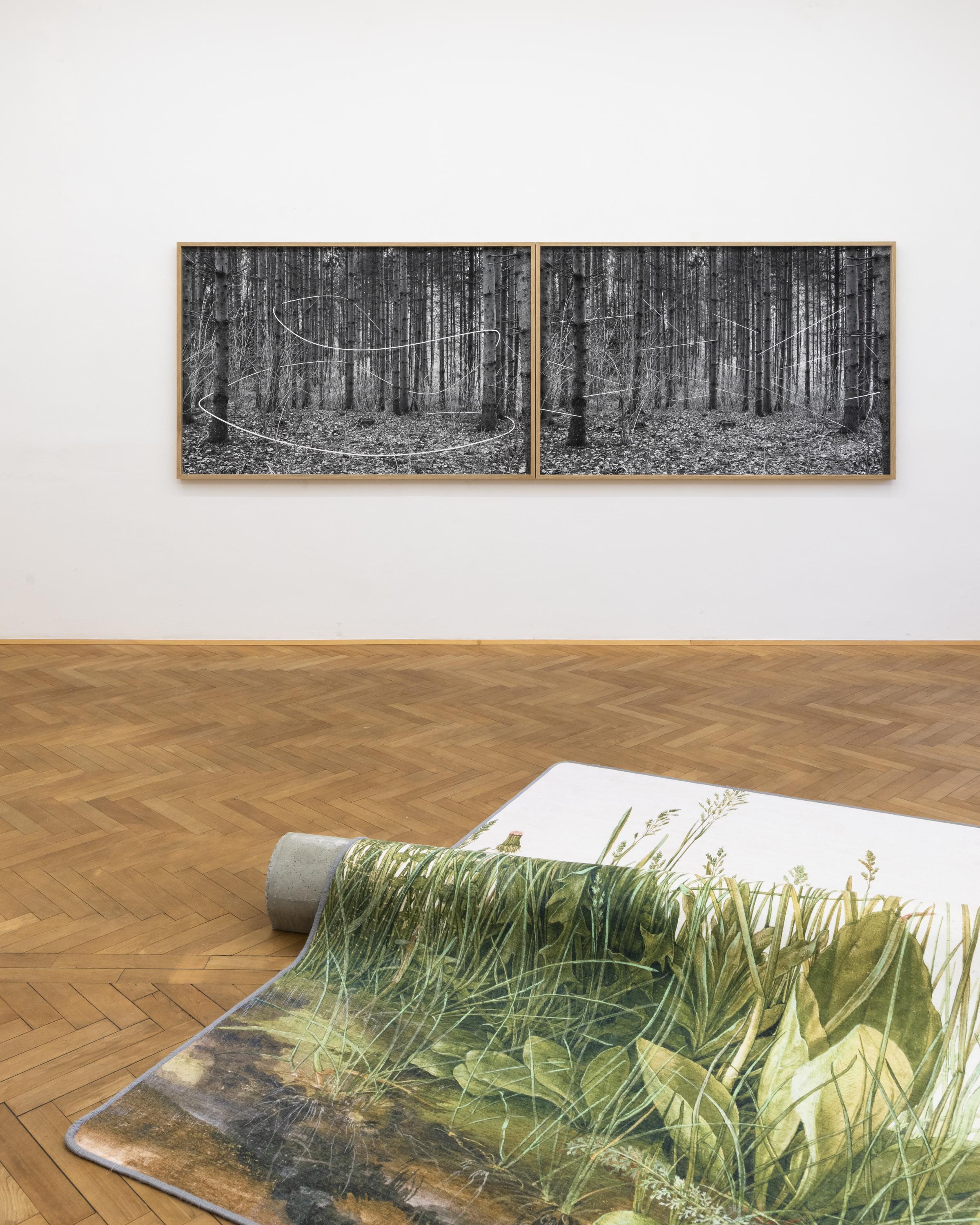
In the series im Gehölz gefriert ein Strahl party tent poles run through the commercial forest, forming fragile lines and spatial drawings among the trees. The standardized industrial product encounters nature that has likewise been shaped by humans—construction and landscape begin to intertwine. The forest thus becomes not only a motif but also a studio and an integral part of the work.
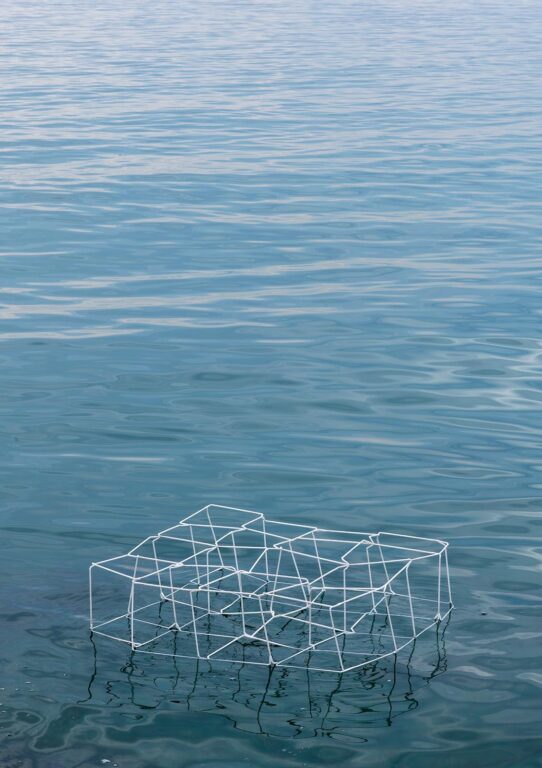
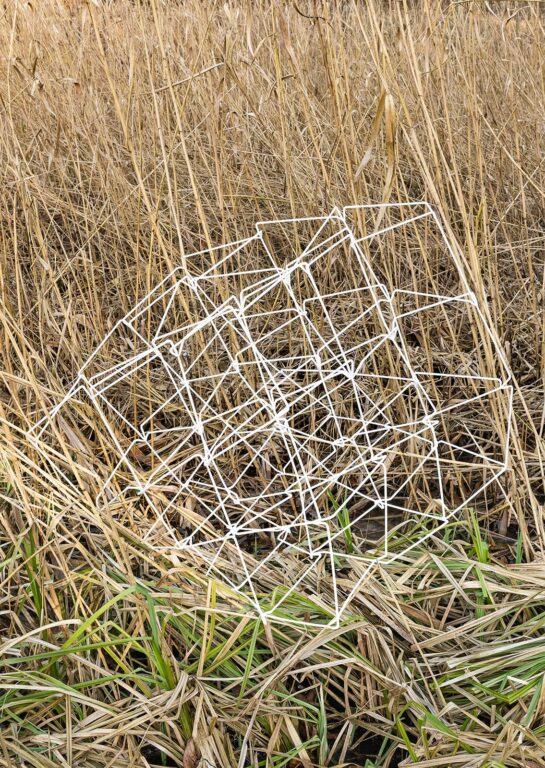
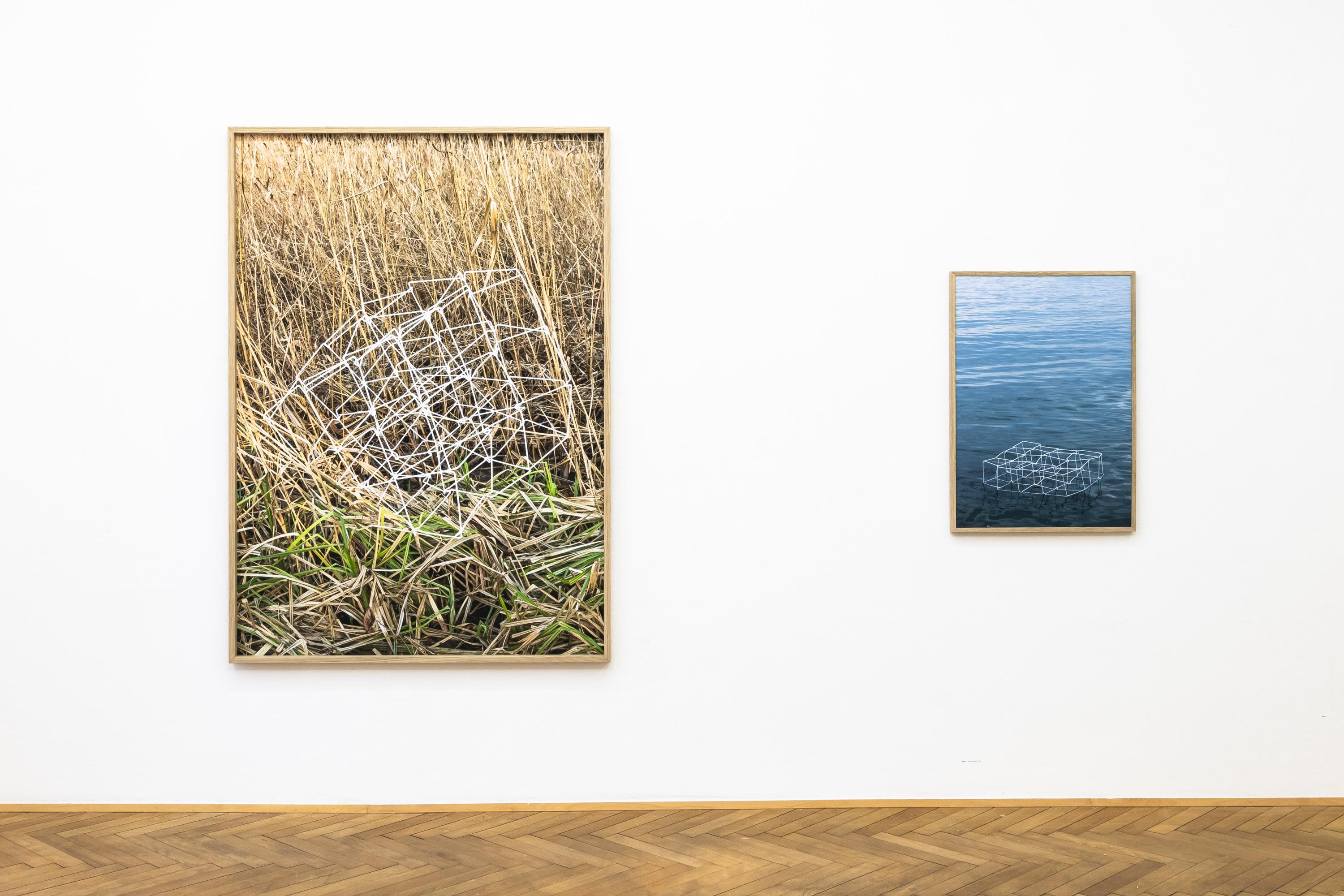
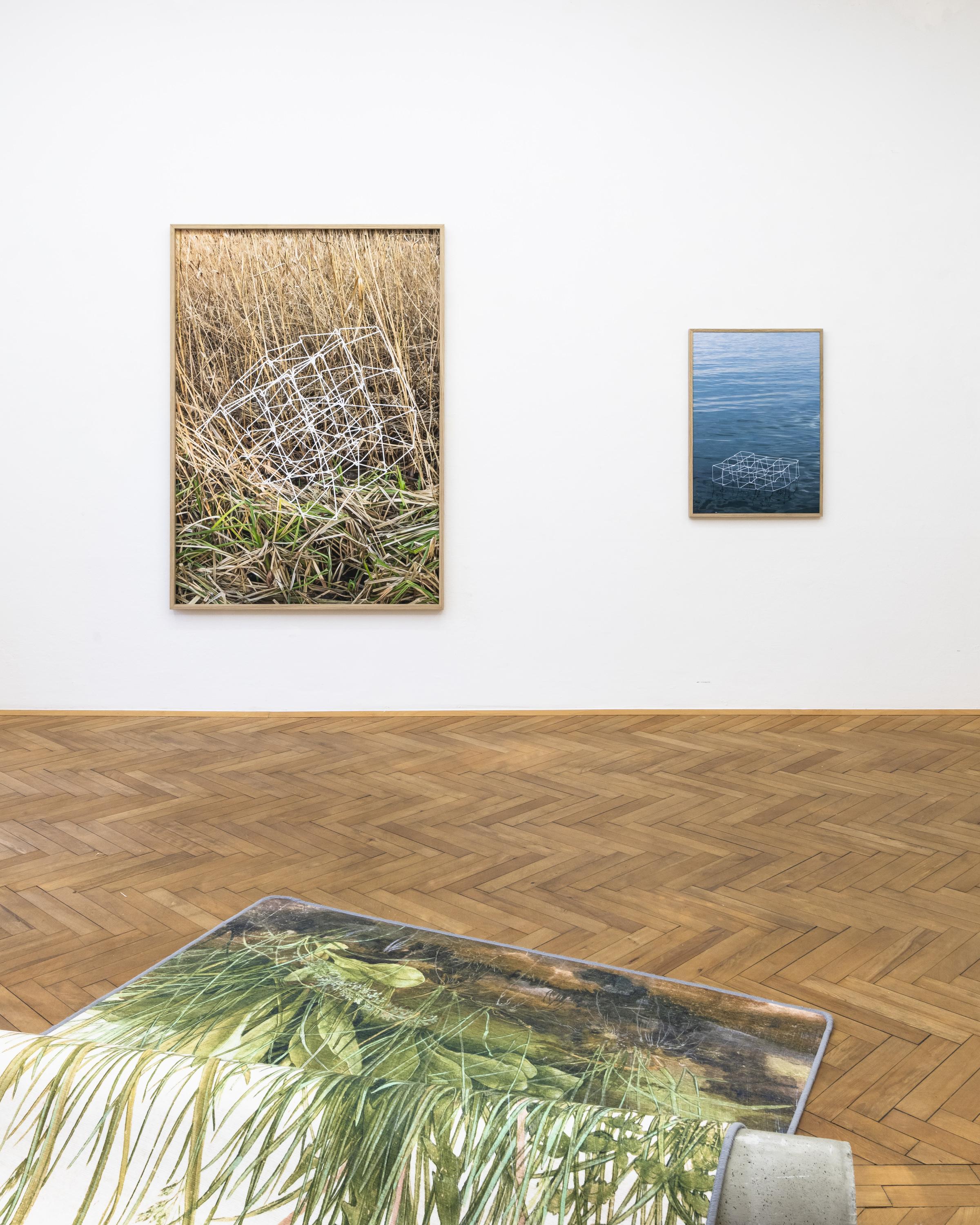
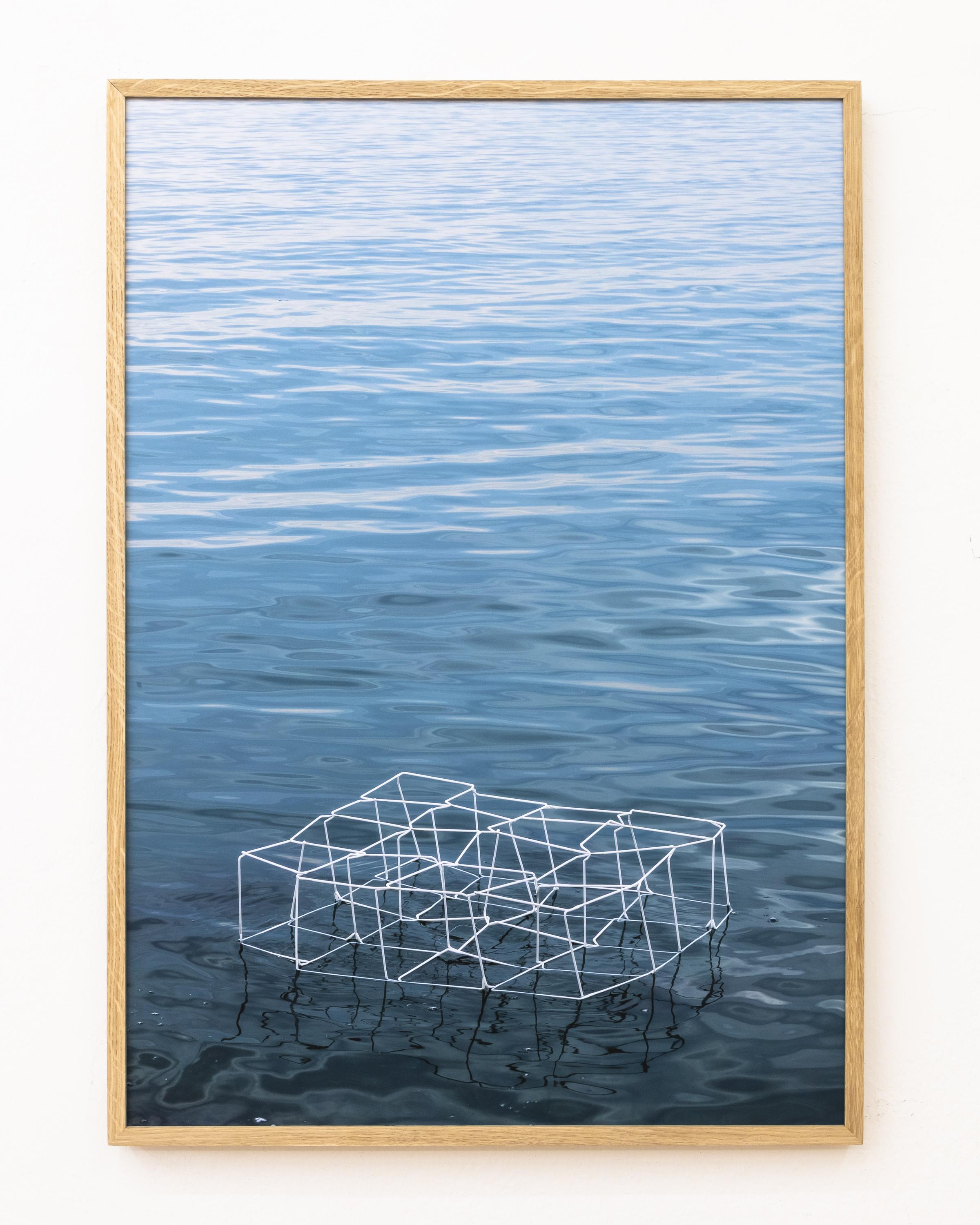
In momentmonument as well, fragile, geometric structures emerge in the midst of meadows and the landscape—this time made of white straws. These almost architectural formations serve no function and yet appear both alien and surprisingly natural in their surroundings. It is precisely this suspension between construction and dissolution, permanence and transience, that characterizes the works of zweintopf.
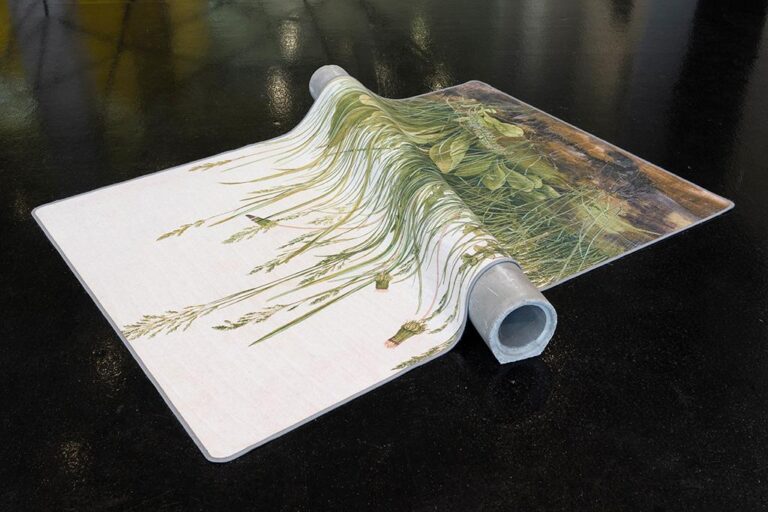
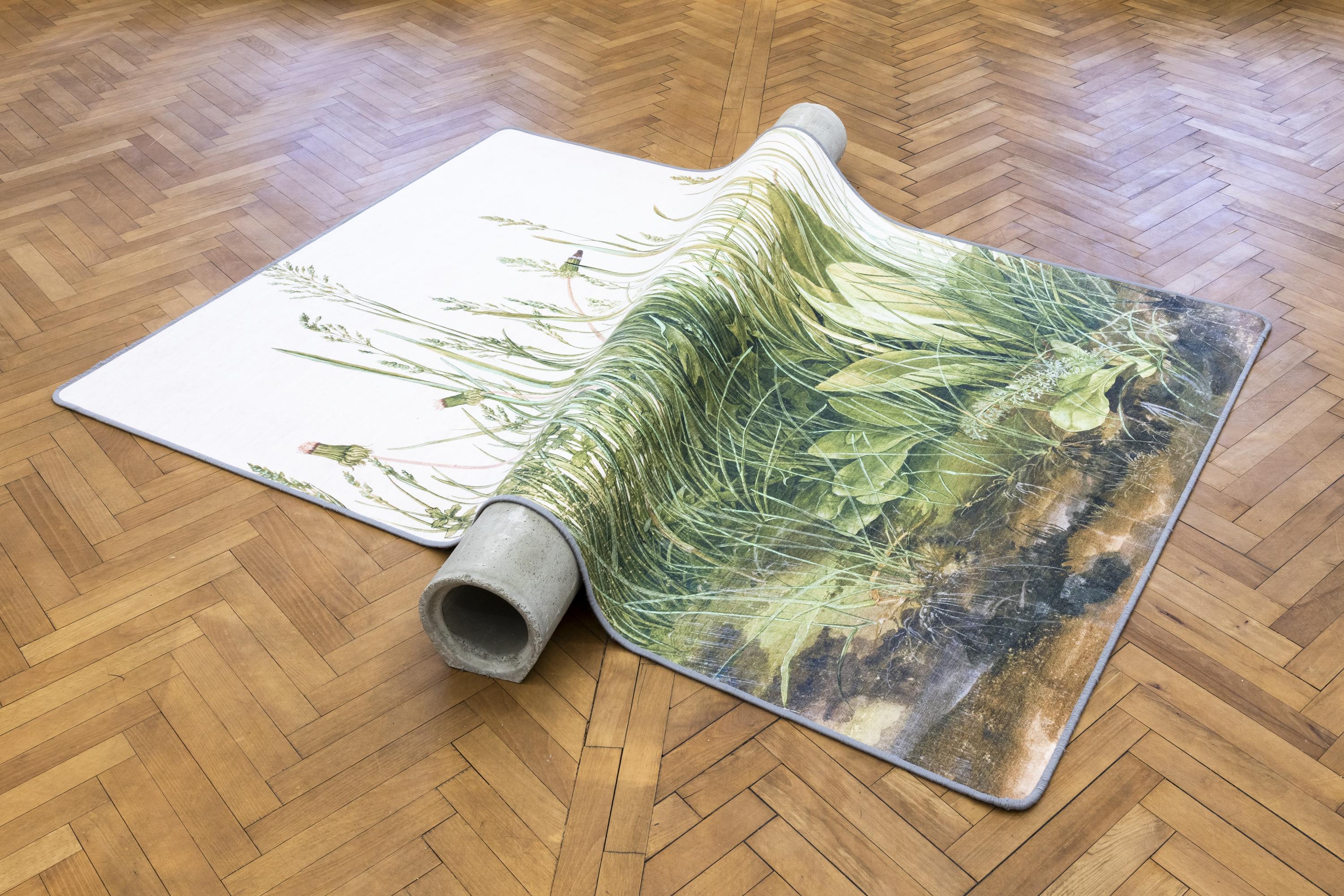
Finally, in Das große Rasenteppichstück, art history itself becomes the material: Albrecht Dürer’s famous nature study Das große Rasenstück from 1503 is transferred onto a carpet and rolled up by a concrete pipe. Meticulous observation of nature is transformed into an everyday object, which in turn encounters an element from the world of construction—a shift between high culture and everyday life, nature and human intervention that is typical of zweintopf.